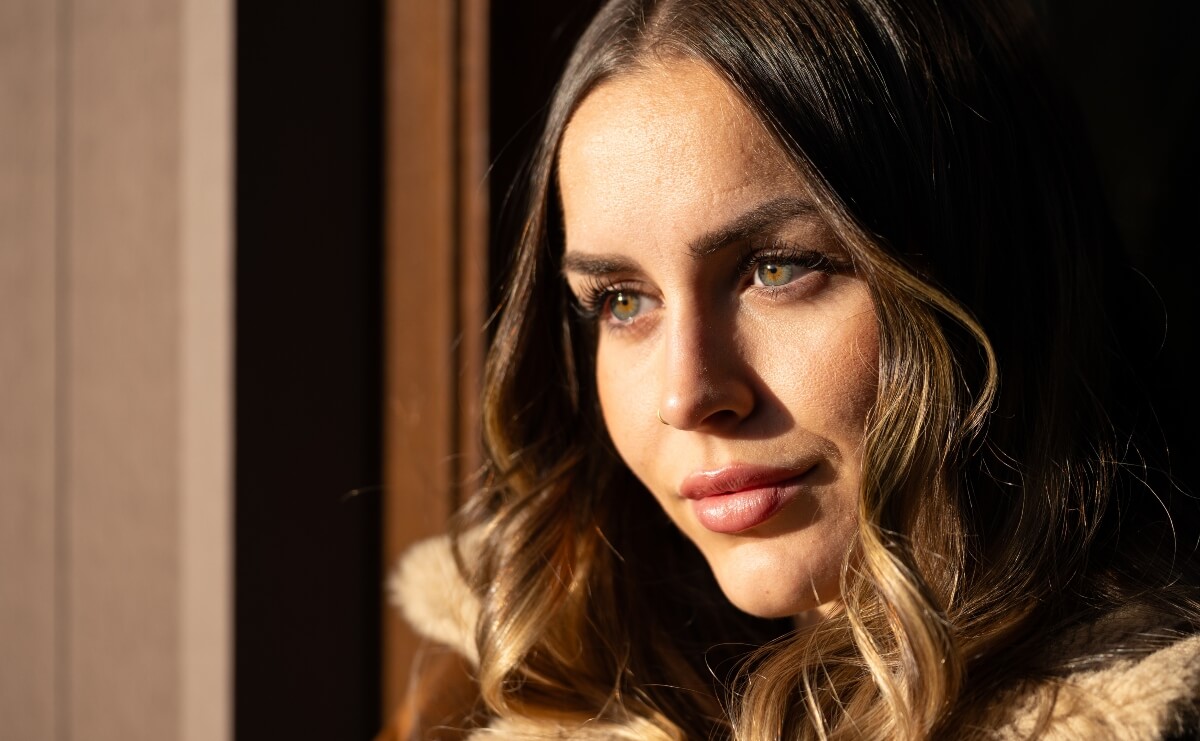
How you look with blonde or brunette hair usually depends on whether the shade matches your skin undertone, eye color, and natural contrast level. Warm undertones tend to suit golden blonde, honey, caramel, and warm brown shades, while cool undertones are usually flattered by ash blonde, beige blonde, espresso, and cooler brunette tones.
Trying to decide between blonde or brunette? Schedule an appointment at Societe Salon and let one of our expert stylists help you make the best choice for you.
What Factors Determine Whether Blonde or Brunette Hair Looks Better?
Blonde or brunette hair looks best when the color works with your natural coloring instead of fighting against it. Stylists usually look at skin undertone, eye color, contrast level, maintenance expectations, and hair health before recommending a direction.
- Skin undertone – warm, cool, or neutral tones affect whether warm or ash shades are more flattering
- Eye color – certain tones highlight blue, green, hazel, or brown eyes differently
- Natural contrast level – the difference between skin tone, brows, and hair depth
- Maintenance expectations – how often you want to return for toning or color services
- Hair health – whether the hair can safely handle lightening or color processing
These factors matter because “blonde” and “brunette” are broad categories, not single shades. A person who does not suit one blonde may still look excellent in another blonde, and the same is true for brunette shades.
How does skin undertone influence whether blonde or brunette looks better?
Skin undertone is one of the most important clues for choosing between blonde and brunette hair. Warm undertones usually pair best with golden blonde, honey blonde, caramel, chestnut, and warm chocolate shades, while cool undertones are generally better matched with ash blonde, beige blonde, icy blonde, and cool brown shades.
Neutral undertones can usually wear either warm or cool shades more easily, but the exact level of depth still matters. This is why a stylist looks at both undertone and the overall balance of your coloring before choosing a final shade.
How does eye color affect which hair color looks most flattering?
Eye color affects how much a hair color makes your features stand out. Blue and green eyes are often emphasized by cooler blondes and muted browns, while hazel and deeper brown eyes are frequently complemented by warmer blondes, caramel tones, chestnut, and rich brunette shades.
This does not mean eye color should make the decision by itself. It works best as a supporting factor after undertone and contrast have already been considered.
What is contrast level and why does it affect hair color choices?
Contrast level is the difference between your skin tone, natural hair depth, and eyebrow depth. If you have very fair skin with dark brows or deep eyes, that is a higher-contrast look, and deeper brunette shades may feel more balanced and natural.
If your features are softer and lighter overall, a lighter blonde or softer brunette may harmonize better. Contrast matters because hair color can either support your natural definition or wash it out.
How Do You Find Your Skin Undertone Before Choosing Blonde or Brunette?
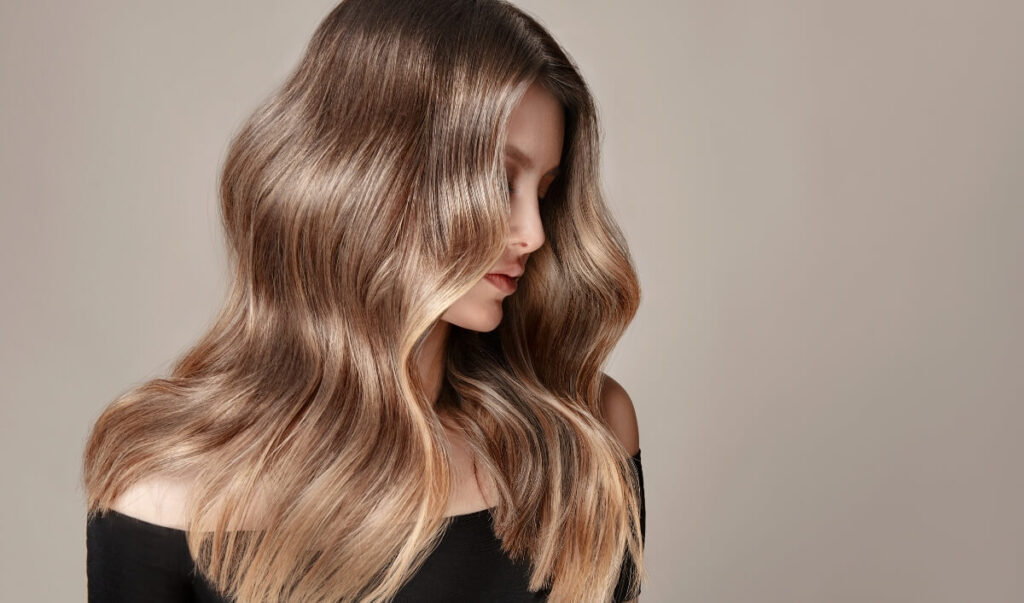
Finding your skin undertone is one of the simplest ways to narrow down whether blonde or brunette will suit you better. Undertone is the subtle color beneath the surface of your skin, and it is usually described as warm, cool, or neutral.
You can get a useful idea of your undertone at home by looking at
- The color of the veins on your wrist
- Comparing how gold and silver jewelry look on your skin
- Noticing whether you tan or burn more easily in the sun
No single test is perfect, but together they can point you in the right direction.
How can the vein test help identify your skin undertone?
The vein test looks at the veins on the inside of your wrist in natural light. If they appear more blue or purple, that usually suggests a cool undertone, while veins that look more green can suggest a warm undertone.
If you see a mix of both, you may have a neutral undertone. This matters because cool undertones are usually flattered by cooler blondes and brunettes, while warm undertones tend to suit golden and richer shades.
What is the jewelry test for determining undertones?
The jewelry test compares how gold and silver look against your skin. Gold jewelry often looks more natural and glowing on warm undertones, while silver usually appears more balanced and flattering on cool undertones.
If both look equally good, your undertone may be neutral. This is a useful shortcut because hair color works in a similar way, with warm shades behaving more like gold and cool shades behaving more like silver.
How does tanning or burning in the sun indicate undertone?
How your skin reacts to sun exposure can offer another undertone clue. People who tan more easily may have warmer undertones, while people who burn quickly and stay pink may lean cooler.
This is not an exact rule, but it can help support the other tests. In hair color terms, warmer undertones often handle golden and caramel shades well, while cooler undertones are usually more balanced by ashier tones.
Which Blonde Shades and Brunette Shades Work Best for Different Undertones?
The best blonde or brunette shade is usually the one that matches your undertone, not just the one that looks good on someone else. Shade temperature matters because a flattering tone can brighten the skin, while the wrong one can make the complexion look dull, overly pink, or brassy.
This is why choosing between blonde and brunette is not just about going lighter or darker. It is about choosing the right warmth, coolness, and depth within that color family.
Which blonde shades look best on warm skin tones?
Warm skin tones are usually complemented by blonde shades that reflect warmth back into the complexion, such as:
- Golden blonde
- Honey blonde
- Strawberry blonde
- Beige-gold
- Caramel blonde
These shades can help the skin look brighter and more even.
These shades tend to work well because they echo the natural warmth already present in the skin. A very icy or overly ashy blonde may feel too cool by comparison and can sometimes make warm skin look flat.
Which blonde shades suit cool skin tones?
Cool skin tones are usually best matched with blondes that have less yellow or orange warmth.
- Ash blonde
- Platinum blonde
- Beige blonde
- Icy blonde
Cooler neutral blondes can create a cleaner and more balanced result.
These shades matter because they reduce the chance of brassiness overpowering the complexion. When blonde is too warm for a cool undertone, the skin can look redder or less even than it really is.
Which brunette shades look best on warm skin tones?
Warm skin tones are usually flattered by brunette shades with golden, chestnut, caramel, or warm chocolate notes. These shades can make the complexion look more vibrant because they support the warmth in the skin instead of competing with it.
Warm brunettes also tend to look softer than flat, overly cool browns on warm skin. The goal is depth with warmth, not darkness for its own sake.
Which brunette shades suit cool skin tones?
Cool skin tones are usually complemented by brunette shades such as espresso, cool dark chocolate, mushroom brown, and neutral mocha. These shades can add depth without introducing extra warmth that may clash with the skin.
Cool brunettes are especially helpful when a person wants darker hair but does not want the color to pull red or orange. That keeps the overall result cleaner and more balanced.
How Maintenance Levels Differ Between Blonde and Brunette Hair
Maintenance is a practical part of deciding whether blonde or brunette is right for you. Blonde hair usually requires more upkeep because lightening exposes underlying warm pigment, and that warmth often needs toning to keep the shade looking balanced.
Brunette hair is usually easier to maintain because it does not require the same level of lifting or frequent toning. That does not mean brunette is maintenance-free, but it is often more forgiving as roots grow in.
Why does blonde hair usually require more salon maintenance?
Blonde hair usually needs more maintenance because the lightening process removes pigment and exposes warm tones underneath. Toners are often used to control yellow, gold, or orange tones and keep the blonde looking cooler, softer, or more neutral.
Root regrowth is also more visible when the blonde is much lighter than the natural hair color. This matters if you want a polished blonde, because keeping the tone and brightness consistent usually requires more regular salon visits.
Why can brunette hair appear easier to maintain?
Brunette hair can appear easier to maintain because the grow-out line is often softer, especially when the color is close to your natural depth. Darker shades also do not usually need the same frequent toning that blonde does.
Brunette hair may still benefit from glosses to refresh shine and richness. Even so, the maintenance schedule is often less demanding than it is for lighter blondes.
How to Test Whether You Look Better Blonde or Brunette Before Committing
Testing hair color before making a permanent change is one of the safest ways to decide between blonde and brunette. Temporary options help you see how a shade affects your skin, eyes, and overall contrast before you commit to bleach or permanent dye.
This step matters because a shade that sounds flattering in theory may look very different once it is next to your face. A low-commitment test can prevent a high-maintenance correction later.
How can virtual hair color tools help you test blonde vs brunette?
Virtual hair color tools let you upload a photo and preview lighter or darker shades on your face. They can help you notice whether blonde softens your features, whether brunette adds more definition, and whether a tone looks warm, cool, or too intense.
These tools are not perfectly realistic, but they are useful for comparing general direction. They are especially helpful when you are undecided between two different depth levels.
Can wigs help you see how different hair colors look?
Wigs can give a more realistic sense of how blonde or brunette changes your appearance because you can see the color in motion and in different lighting. They also show how a shade interacts with your brows, skin, and eye color more clearly than a flat photo edit.
This makes wigs useful for people considering a big color shift. Even a simple try-on can reveal whether a tone feels natural, too harsh, or not bright enough.
What temporary dyes can help you experiment with hair color?
Semi-permanent color, color-depositing masks, glosses, and hair makeup can help you test different tones without a long-term commitment. These options are most useful for deepening brunette tones, adding warmth, or trying a softer version of blonde-inspired color.
They matter because they let you experiment before making a major chemical change. They are especially helpful if you want to test tone more than dramatic lightness.
Who Typically Looks Best Blonde vs Brunette?
People who look best blonde usually have coloring that works well with lighter depth and the right tone family. People who look best brunette usually have features that benefit from more depth, stronger framing, or a closer match to naturally darker hair.
This is a general guide, not a rule. Many people can wear both blonde and brunette successfully if the tone, depth, and placement are chosen carefully.
Who usually suits blonde hair best?
Blonde hair often suits people with lighter natural contrast, lighter natural hair, or cool to neutral undertones that work well with ash, beige, or soft blonde tones. It can also be flattering on warm undertones when the blonde has enough golden or honey warmth.
Blonde tends to work best when it brightens the face without overpowering the brows or washing out the skin. A softer, dimensional blonde is often easier to wear than a flat all-over pale blonde.
Who often looks better with brunette hair?
Brunette hair often suits people with higher contrast features, darker brows, deeper natural hair, or skin that looks stronger with added depth around the face. It can also be a flattering choice for warm undertones when chestnut, caramel, or warm chocolate tones are used.
Brunette tends to work well when it creates definition and makes the eyes stand out. It can also make the hair look shinier and healthier because deeper shades reflect light differently than heavily lightened hair.
When Blonde or Brunette May Not Be the Best Choice
Blonde or brunette may not always be the best choice if the hair is:
- Already damaged or fragile
- Heavily processed because this makes it difficult to maintain in the shade you want
- You won’t be able to attend maintenance visits
- Your desired shade requires extreme lightening
This matters because the most flattering hair color is not just about appearance. It also needs to be achievable and sustainable for your hair and routine.
When might going blonde be difficult for certain hair types?
Going blonde can be difficult when the hair is very dark, previously colored, fragile, or already dry from heat or chemical services. Reaching a lighter blonde may require several lightening appointments to avoid excessive breakage and uneven lift.
This matters because blonde is not just a color choice. It is also a process, and some hair types need a slower, safer path to get there.
When might staying brunette produce healthier-looking hair?
Staying brunette can produce healthier-looking hair when the alternative would require repeated lightening or aggressive correction work. Deeper shades usually place less stress on the hair and can help preserve shine, softness, and strength.
This matters for clients whose priority is healthy-looking hair with lower maintenance. Sometimes the better visual result comes from preserving the hair condition rather than chasing a lighter shade.
Real Salon Scenarios Showing When Blonde or Brunette Works Best
A client with fair skin, blue eyes, and naturally dark brows may look more balanced in a cool brunette or a darker beige blonde than in a bright golden blonde. In that case, the stylist may choose depth and coolness to protect the client’s natural contrast.
A client with warm skin, hazel eyes, and medium brown hair may look brighter in caramel brunette or honey blonde than in ash tones. In that case, the stylist may keep some warmth so the skin looks more radiant.
A client with damaged dark hair who wants to go platinum may be better suited to a softer brunette or bronde transition first. In that case, the stylist is choosing a color plan that respects both appearance and hair condition.
FAQ: How to Decide Between Blonde and Brunette Hair
Can the same person look good with both blonde and brunette hair?
Yes, the same person can look good with both blonde and brunette hair if the tone and depth are chosen carefully. In many cases, the question is not whether blonde or brunette is better, but which version of blonde or brunette is the most flattering.
Does age affect whether blonde or brunette hair looks better?
Age can affect how hair color reads on the face because contrast and brightness influence softness and definition. A softer blonde or dimensional brunette may feel more flattering than a very flat, harsh, or overly dark shade.
Can highlights help if you cannot choose between blonde and brunette?
Yes, highlights can help when you are unsure because they allow you to blend both color families. Techniques such as balayage, bronde, face-framing highlights, or dimensional lowlights can soften the decision and show which direction feels better on you.
Should you match your hair color to your natural eyebrows?
You do not need to match your hair color exactly to your eyebrows, but eyebrow depth should be considered. Brows help frame the face, so a dramatic mismatch can make a hair color look less natural or throw off your overall contrast.
How a Professional Stylist Helps You Choose Between Blonde and Brunette
A professional stylist helps you choose between blonde and brunette by looking at undertone, eye color, natural contrast, hair condition, and how much maintenance you are comfortable with. That evaluation usually leads to a more accurate recommendation than choosing a shade from a photo alone.
A stylist can also adjust tone, depth, and placement so the color works specifically for your features. That is why the best answer is usually not just “blonde” or “brunette,” but a specific blonde or brunette designed for your coloring and hair condition.