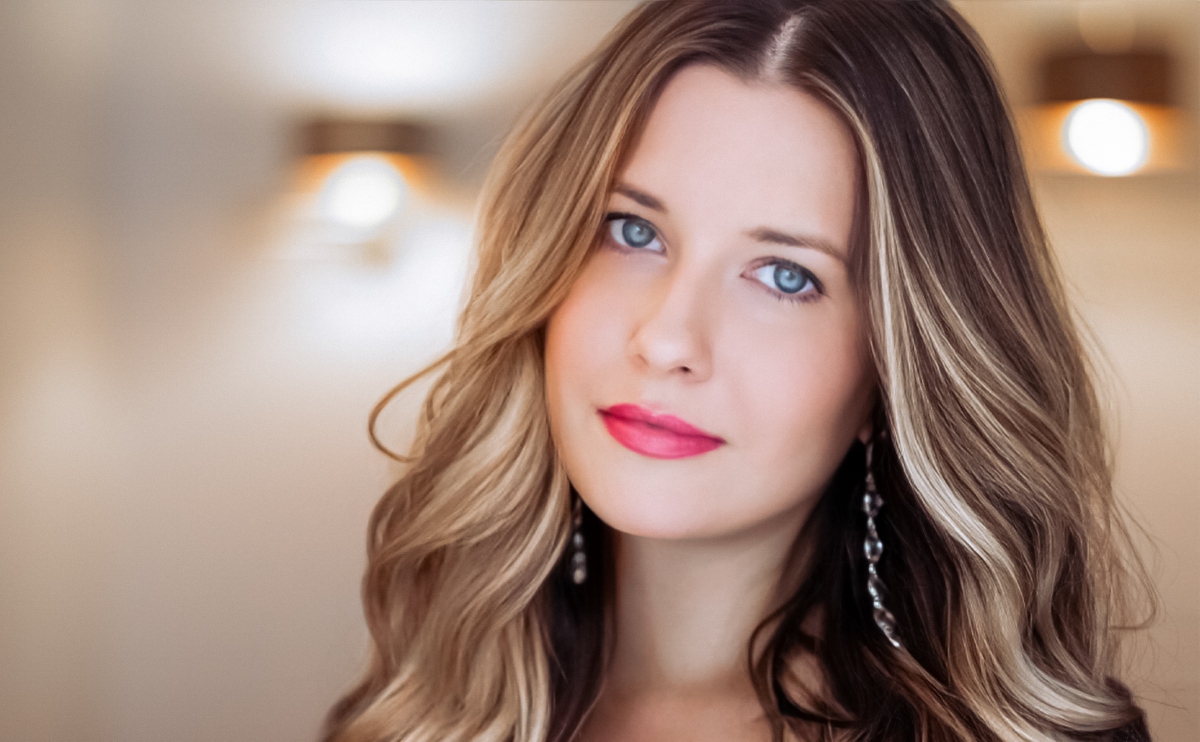
A winter complexion has cool blue or pink undertones and strong contrast between skin, hair, and eyes. The best hair colors for women with winter complexions are cool tones with high contrast, such as:
- Ash blonde
- Icy platinum
- Jet black
- Espresso brown
- Cool burgundy
Colors with blue, violet, or ashy bases enhance natural clarity and prevent your skin from looking dull or washed out.
Need help choosing the right hair color for your winter complexion? Book your appointment today at Societe Salon.
What Is a Winter Complexion?

A winter complexion is defined by cool undertones and noticeable contrast. Women with a winter complexion often have skin that appears porcelain, olive-cool, or deep with blue or pink undertones rather than yellow or golden ones. Hair and eye color typically contrast sharply with the skin, creating a crisp, high-definition look.
The sharp contrast between hair and eye color and skin is why women with winter complexions tend to look best in bold, cool colors rather than soft or warm ones. Winter complexions usually look more natural and flattering with hair colors that reinforce the contrast.
How Can You Tell If You Have a Winter Complexion?
You may have a winter complexion if silver jewelry looks better than gold, bright white flatters your skin more than cream, and warm hair colors tend to make you look tired or sallow. Natural hair colors for winters are often dark brown or black, though lighter winters still have cool undertones.
Winter complexions often have eye colors that are clear and defined, such as icy blue, dark brown, or bright hazel.
If warm shades clash with your skin, it is often a sign of a winter undertone.
Why Hair Color Choice Matters for Winter Complexions
Hair color has a direct effect on how your skin tone appears. For winter complexions, the wrong shade can mute contrast and emphasize redness or shadows. The right shade can sharpen your features and enhance brightness.
Winter skin already has strong contrast, so hair colors that are too warm or muted can disrupt that balance. Cool-toned shades work with your undertone instead of against it.
What Happens When Winter Complexions Wear Warm Hair Colors?
Warm shades like caramel, honey, copper, or strawberry blonde often clash with cool undertones. These colors can make winter skin appear gray, yellow or uneven.
Warm shades can also reduce contrast, which is one of the defining strengths of a winter complexion. Instead of enhancing facial features, warm tones tend to overpower them.
Best Cool-Toned Blonde Hair Colors for Winter Complexions
Blonde can work beautifully for winter complexions, but only when the undertone is right. Cool blondes maintain clarity and contrast, while warm blondes usually cause imbalance.
Cool blondes also require careful maintenance, since warmth can develop over time if the tone is not properly controlled.
Is Platinum or Icy Blonde Good for Winter Skin Tones?
Platinum and icy blonde shades are among the most striking options for winter complexions. These shades have silvery or blue undertones that align with cool skin.
They work best for winters who naturally have strong contrast and can commit to regular toning. When done correctly, icy blonde enhances brightness rather than washing the skin out.
Are Ash Blonde Shades Better Than Warm Blonde for Winters?
Ash blonde is far more flattering than golden or honey blonde for winter skin tones. The ashy base neutralizes warmth and keeps the color cool and crisp.
Warm blondes tend to highlight undertone mismatch, while ash blondes maintain harmony with cool skin.
Best Cool Brown Hair Colors for Winter Complexions
Cool brown shades are often the safest and most versatile option for winter complexions. They provide depth without overwhelming the face.
These shades work especially well for winters who want a natural look without going extremely light or dark.
What Is the Best Ash Brown for a Winter Complexion?
Dark ash brown, smoky brown, and mushroom brown are excellent choices for winter skin tones. These colors have gray or blue undertones rather than red or gold.
They create softness while still maintaining the contrast winter complexions need.
Is Espresso or Cool Dark Brown Better Than Medium Brown?
Espresso and cool dark brown usually look better than medium brown on winter skin. Medium browns often contain hidden warmth that clashes with cool undertones.
Darker, cooler browns preserve contrast and look more intentional and polished.
Best Dark and High-Contrast Hair Colors for Winter Complexions
Dark shades are often the most natural-looking option for winter complexions. They align perfectly with the season’s high-contrast characteristics.
These colors tend to require less corrective toning than lighter shades.
Is Jet Black or Blue-Black Too Harsh for Winter Skin?
Jet black and blue-black are rarely too harsh for winter complexions. In fact, they often look striking and balanced due to the skin’s cool undertone.
Blue-black adds dimension while maintaining a cool base.
Are Burgundy and Violet-Based Reds Good for Winter Complexions?
Cool reds like burgundy, wine, and violet auburn can work very well for winters. These shades contain blue or purple bases rather than orange ones.
Warm reds, such as copper or true auburn, usually clash and should be avoided.
Hair Colors to Avoid If You Have a Winter Complexion
Winter complexions generally struggle with warm, golden, or earthy shades. These colors fight against cool undertones instead of enhancing them.
Avoid shades like:
- Caramel
- Honey blonde
- Strawberry blonde
- Warm copper
- Golden brown
Why Do Caramel, Golden, and Strawberry Blonde Look Wrong on Winters?
These shades contain yellow, orange, or red warmth that reflects poorly on cool skin. Instead of brightening the complexion, they create visual imbalance.
This often results in skin looking dull or uneven rather than radiant.
Hair Color Compatibility for Winter Complexions
Not all hair colors fall neatly into “good” or “bad” categories for winter complexions. Some shades are clearly flattering, while others can work only under very specific conditions. The breakdown below shows how different undertone categories generally interact with winter skin tones, and where caution is needed.
| Hair Color Category | Undertone Base | Winter Compatibility | Why This Matters |
| Pure cool shades (ash, blue, violet) | Cool | Ideal | Reinforces natural contrast and keeps skin looking clear |
| Neutral-cool shades | Slightly cool | Usually works | Must stay dark or well-toned to avoid warmth |
| Neutral shades | Balanced | Risky | Can flatten contrast and dull winter features |
| Warm shades (gold, copper, caramel) | Warm | Poor | Creates undertone clash and makes skin look muted |
Best Hair Colors for Different Winter Subtypes
Not all winter complexions are identical. Determining your subtype can help you choose the right shade.
What Hair Colors Work Best for True Winters?
True winters look best in pure, cool shades close to their natural depth. Some of the best options for true winters include:
- Jet black
- Soft black
- Dark ash brown
- Cool burgundy
These shades preserve contrast without adding unnecessary warmth.
What Hair Colors Work Best for Deep Winters?
Deep winters benefit from rich, dark, cool shades, such as jet black. Espresso, blue-black, and deep plum enhance depth and intensity.
When you pick the right color, it can magnify your natural beauty and give you a bold, striking appearance.
Deep ash brown can give you a sophisticated and elegant look. The coloring is subtle, yet refined.
Be careful with lighter shades because they can reduce contrast.
What Hair Colors Work Best for Bright or Clear Winters?
Bright winters can handle bold, saturated cool tones. Icy blonde, high-contrast black, and vivid cool reds often work well.
Clarity is more important than softness for those with bright or clear winters.
Should Winter Complexions Go Darker or Lighter in Winter Months?
Most winter complexions look best when they are slightly darker during the winter months. Darker shades reinforce natural contrast and complement cooler seasonal lighting.
Lighter colors can still work, but they need precise toning and higher maintenance, so they don’t look too warm.
How to Choose the Right Winter Hair Color with a Stylist
A professional stylist can evaluate your undertone, contrast and maintenance needs before recommending a shade. This helps prevent common mistakes like choosing a color that looks good in photos but not in person.
Consultations are especially important for winter complexions because getting the undertone right matters more than aligning with current trends.
Why Undertone and Contrast Matter More Than Trends
Trends change quickly, but undertones do not. Choosing a color that works with your natural coloring should provide better long-term results.
For winter complexions, sticking with cool undertones and contrast is always more flattering than following seasonal color trends.
Real Salon Examples of Hair Colors That Flatter Winter Complexions
Clients with winter complexions often see dramatic improvement when switching from warm brown to cool espresso or ash brown. Skin appears clearer and your eye color is more defined.
Others who move from brassy blonde to icy or ash blonde often notice their complexion looks brighter and more even almost immediately.
Frequently Asked Questions About Hair Color for Winter Complexions
Can Winter Complexions Ever Wear Warm Hair Colors?
Warm hair colors are rarely flattering for winter complexions. If you use warm colors, keep it subtle and balanced with a strong cool base.
Pure warm shades usually overpower cool undertones.
Is Balayage a Good Option for Winter Skin Tones?
Balayage can work if the tones are cool. Ash, smoky, or icy highlights are better choices than golden or caramel ones.
Placement and toning are critical for maintaining balance.
How Do I Maintain Cool-Toned Hair Color in Winter?
Use purple or blue toning products as recommended by your stylist. Don’t do too much heat styling and schedule regular appointments for gloss and toner.
Cool tones fade faster, so maintenance is key to preserving the right shade for a winter complexion.
Have more questions about hair colors for winter complexions? Call Societe Salon today.