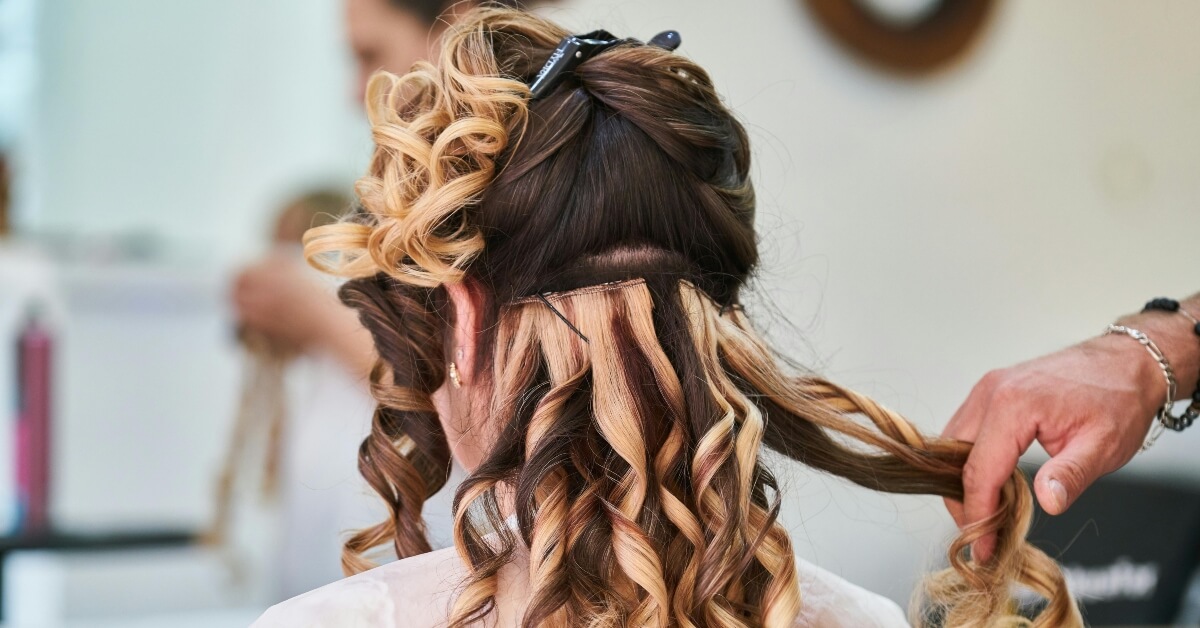
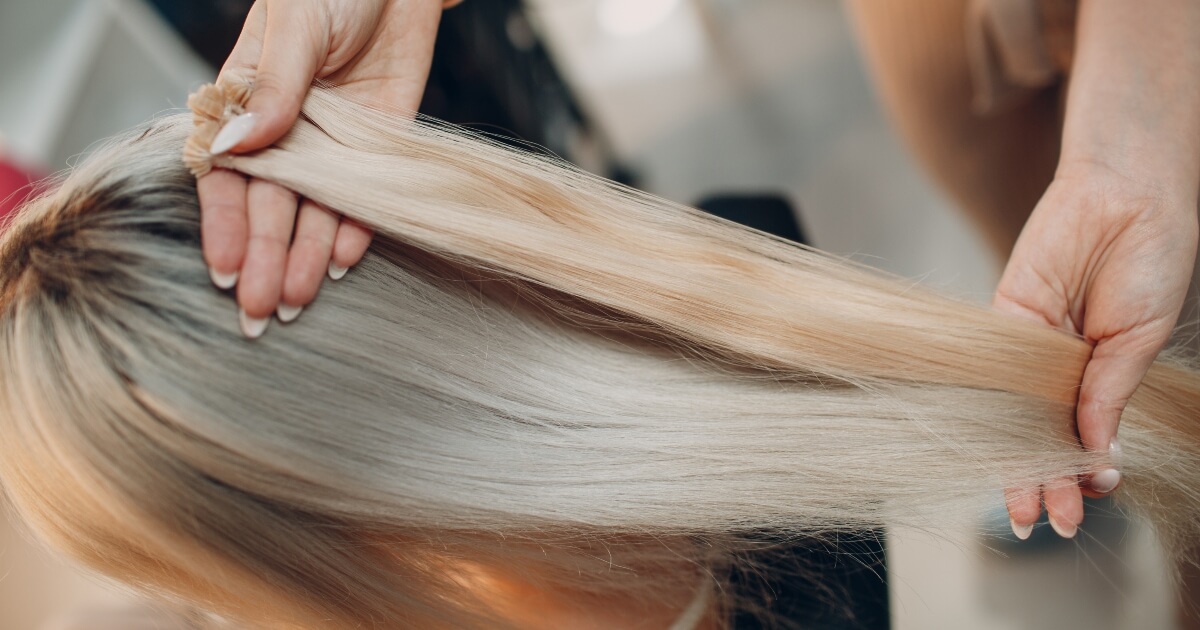
Partial balayage highlights selected areas of the hair, often the top layers and face-framing pieces. This creates subtle brightness with less time and maintenance.
Full balayage applies hand-painted highlights throughout the entire head of hair, producing a brighter, more dimensional result.
The main differences between full and partial balayage are:
- Coverage: Partial balayage colors select sections; full balayage colors the entire head.
- Brightness: Partial creates subtle dimension; full creates a brighter overall result.
- Maintenance: Partial usually needs less upkeep; full may need more toning and refreshes.
- Time: Partial appointments are shorter; full appointments take longer.
- Cost: Partial balayage is usually less expensive; full balayage typically costs more.
The experienced stylists at Societe Salon can help you decide which one is right for you. Schedule your appointment today.
What Is Balayage Hair Coloring?
Balayage is a hair-coloring technique where stylists paint lightener onto the hair by hand to create soft, blended highlights. The color is applied gradually so it transitions naturally from darker roots to lighter ends.
Unlike traditional highlights that use foils and strict placement patterns, balayage allows stylists to customize where brightness appears. This produces a sun-lit effect that grows out more softly over time.
What Does the Word “Balayage” Mean in Hair Coloring?
The word balayage comes from a French term meaning “to sweep.” In hair coloring, it refers to the sweeping motion stylists use when painting lightener onto the surface of the hair.
Instead of applying color evenly from root to tip, the stylist places highlights in selected areas. This technique creates soft transitions between lighter and darker sections.
How Does the Balayage Technique Create a Natural Look?
Balayage creates a natural look because the lightener is painted onto the outer layers of the hair and blended upward. This allows the color to gradually fade from darker roots to lighter ends.
Because the color is not applied in rigid sections, there are fewer visible lines as the hair grows. The result often resembles the subtle brightness hair develops naturally from sun exposure.
What Is a Partial Balayage?
A partial balayage is a highlighting service where color is applied to specific areas of the hair rather than throughout the entire head. Stylists usually focus on the sections that are most visible when the hair is worn down.
This approach enhances natural color while maintaining depth in the lower layers of the hair. Many clients choose partial balayage when they want brightness without committing to a full transformation.
Which Parts of the Hair Are Colored in a Partial Balayage?
Partial balayage usually targets the most visible sections of the hair, including:
- Crown area
- Top layers
- The pieces that frame the face.
These sections catch the most light and are the most noticeable in everyday styling.
The lower layers of the hair often remain untouched. This preserves the natural base color while adding brightness where it will be seen most clearly.
Why Does Partial Balayage Create a Subtle, Sun-Kissed Look?
Partial balayage produces a softer result because fewer sections of hair are lightened. Much of the natural hair color remains visible, which keeps the overall look balanced.
The lighter pieces around the face and top layers create contrast without dramatically changing the entire color. This is why partial balayage is often described as a sun-kissed effect.
How Long Does a Partial Balayage Usually Take at the Salon?
A partial balayage appointment typically takes less time than a full balayage because the stylist is working on fewer sections of hair. The process usually focuses on the upper layers and hairline.
Depending on hair length and thickness, the service may take around two to three hours. Processing time, toning, and styling can also affect the overall appointment length.
What Is a Full Balayage?
A full balayage is a highlighting service where the balayage technique is applied throughout the entire head of hair. Both the top and bottom layers are painted with lightener.
Because more sections are lightened, the overall hair color appears brighter and more dimensional. Full balayage is often chosen when someone wants a noticeable change in their hair color.
Which Parts of the Hair Are Colored in a Full Balayage?
In a full balayage service, the stylist works through multiple layers of hair across the entire head. This includes the:
- Crown
- Mid-sections
- Lower layers underneath
Color is distributed evenly so brightness appears no matter how the hair is styled. This ensures that highlights remain visible when the hair is worn up or braided.
Why Does Full Balayage Create a Brighter Overall Appearance?
Full balayage creates a brighter look because highlights are placed throughout all layers of the hair. With more lightened sections, the overall tone of the hair becomes lighter.
The increased coverage also creates stronger contrast and dimension. This can give hair a more dramatic sun-lit appearance.
How Long Does a Full Balayage Service Usually Take?
A full balayage usually takes longer than a partial service because the stylist must section and paint the entire head of hair. Each layer must be carefully placed to maintain a natural blend.
Depending on hair length and density, the service may take three to four hours. Additional time may also be needed for toning and styling.
What Is the Difference Between Partial Balayage and Full Balayage?
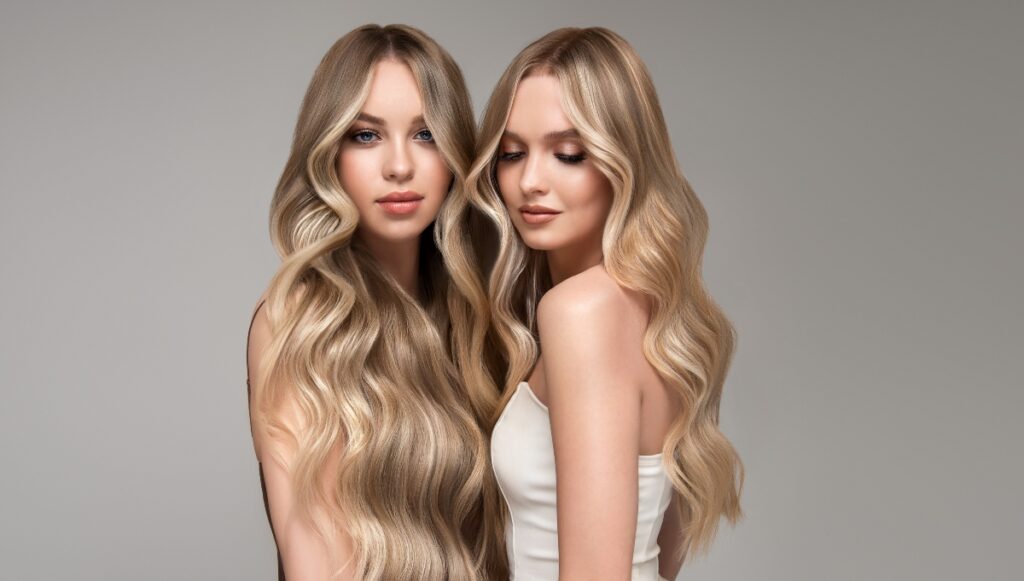
The main difference between partial and full balayage is how much of the hair is highlighted. Partial balayage focuses on visible sections, while full balayage distributes color throughout the entire head.
Other differences include the final brightness, time required for the appointment, and overall maintenance schedule. Understanding these distinctions can help clients choose the service that fits their goals.
How Does Coverage Differ Between Partial and Full Balayage?
Partial balayage places highlights only on the surface layers of the hair and around the face. The lower layers often remain untouched.
Full balayage, by contrast, applies highlights throughout the entire head. Both top and bottom layers receive color.
How Do the Results Look Different?
Partial balayage produces gentle brightness that enhances natural hair color. The result is usually soft and understated.
Full balayage creates a more dramatic transformation. Because more sections are lightened, the overall hair color appears brighter and more dimensional.
How Do Time and Cost Compare Between the Two Services?
Partial balayage usually costs less because the stylist uses less product and spends less time applying color. The appointment itself is often shorter.
Full balayage typically requires more time and materials. For that reason, it usually costs more than a partial service.
How Long Do Partial and Full Balayage Results Last?
Partial balayage generally lasts about two to four months before clients may want a refresh. Hair growth and styling habits can affect how long the color stays visible.
Full balayage often lasts three to six months. Some clients schedule toning appointments during that time to maintain brightness.
How Do Stylists Apply Partial vs Full Balayage?
Both partial and full balayage use the same hand-painting technique. The difference lies in how many sections of hair are colored and where the highlights are placed.
Stylists analyze the haircut, hair texture, and desired brightness before deciding how to place the color. This helps create a balanced and natural result.
What Happens During a Partial Balayage Appointment?
During a partial balayage service, the stylist sections the top layers of the hair and paints lightener onto selected strands. Face-framing pieces and crown areas are often prioritized.
After the lightener processes, the hair is rinsed and toned if needed. The appointment usually ends with a blow-dry to reveal the finished color.
What Happens During a Full Balayage Appointment?
During a full balayage service, the stylist sections the entire head of hair and paints highlights throughout multiple layers. This ensures the brightness appears evenly from every angle.
Once the lightener has processed, the hair is rinsed and toned. The stylist then dries and styles the hair to show how the highlights blend together.
Who Should Choose Partial Balayage?
Partial balayage is often chosen by clients who want subtle brightness rather than a dramatic color change. It allows the natural hair color to remain the dominant tone.
This option can also work well for people who want a lower-maintenance coloring routine. Because less hair is lightened, regrowth tends to appear softer.
When Is Partial Balayage the Right Choice?
Partial balayage is a good option for clients who:
- Want a gentle color update
- Are new to hair coloring
- Want to refresh existing highlights between full balayage appointments
- Prefer a lower-maintenance service
What Hair Types and Styles Work Best With Partial Balayage?
Partial balayage often works well on natural brunettes and medium-toned hair colors. The subtle brightness can add dimension without drastically changing the base color.
It is also effective for layered cuts and hairstyles that are usually worn down, where the top layers are most visible.
Who Should Choose Full Balayage?
Full balayage is typically chosen by clients who want noticeable brightness throughout their hair. Because highlights are placed across all layers, the result appears more dramatic.
This service can also create strong dimension in thicker hair. Many clients choose full balayage when they want a significant change in overall color.
When Is Full Balayage the Best Option?
Full balayage works well if you:
- Want your hair to look lighter overall
- Want a more noticeable transformation
- Wear your hair in braids, ponytails, or updos
- Want brightness visible throughout all layers
What Hair Types and Styles Benefit Most From Full Balayage?
Full balayage can enhance thick or long hair because the highlights create movement and depth. The brightness is visible even when the hair shifts during styling.
It is also useful for hairstyles where lower layers of hair are exposed.
How Long Do Partial and Full Balayage Results Last?
Balayage generally lasts longer than traditional highlights because the color is blended rather than applied directly at the roots. This allows the hair to grow out more naturally.
However, the longevity of the results can still vary based on hair growth, color contrast, and maintenance habits.
What Is the Typical Maintenance Timeline for Partial Balayage?
Partial balayage usually lasts about two to four months before a refresh may be recommended. Because only the upper layers are colored, regrowth tends to appear softer.
Some clients extend this timeline if they prefer a more natural grow-out effect.
What Is the Typical Maintenance Timeline for Full Balayage?
Full balayage often lasts three to six months before another lightening service is needed. The color placement helps blend regrowth with the natural hair.
Many clients schedule occasional toning appointments during this period to maintain the desired shade.
How Should You Care for Balayage Hair?
Proper aftercare can help balayage color remain bright while protecting hair health. The goal is to maintain moisture and reduce color fading.
Simple changes to washing habits and styling routines can make a noticeable difference.
What Hair Products Help Balayage Last Longer?
Many stylists recommend:
- Sulfate-free shampoos
- Moisturizing conditioner
- Purple shampoo for blonde tones
- Blue shampoo for orange or brassy tones
How Often Should You Wash Hair After Balayage?
Washing hair less frequently can help preserve color and prevent dryness. Many stylists suggest spacing washes several days apart when possible.
This allows natural oils to protect the hair and maintain shine.
How Can Heat Styling Affect Balayage Color?
Frequent heat styling can fade color and dry out lightened sections of hair. High temperatures can weaken the hair cuticle and reduce shine.
Using a heat protectant spray before styling can help reduce this damage.
Partial Balayage vs Full Balayage FAQs
Does Partial Balayage Damage Hair Less Than Full Balayage?
Partial balayage may expose less hair to lightener because fewer sections are processed. This can reduce the overall amount of chemical treatment.
However, the health of the hair still depends on several factors, including:
- How much hair is lightened
- The strength of the lightener
- The starting condition of the hair
- How the hair is maintained afterward
Can You Start With a Partial Balayage and Later Get a Full Balayage?
Many clients begin with partial balayage and later choose full balayage if they want more brightness. The initial highlights can serve as a base for future color services.
A stylist can gradually add more lightened sections over time.
Is Balayage Suitable for All Hair Types and Colors?
Balayage can be customized for many hair colors and textures. Stylists adjust the placement and tone based on the client’s natural base color.
However, the technique works best when there is enough natural depth to create contrast between light and dark tones.
Will Balayage Still Look Good as Hair Grows Out?
Balayage generally grows out softly because the color is blended rather than applied directly at the roots. This helps avoid harsh regrowth lines.
As the hair grows, the highlights gradually shift lower while still maintaining a natural appearance.
Put your hair in the hands of the expert stylists at Societe Salon. Schedule your appointment today.