What Is a Hair Mask?
A hair mask is a deep-conditioning treatment designed to hydrate, repair, and strengthen hair more intensely than regular conditioner. It uses richer ingredients and longer processing time to improve hair health, making it ideal for treating dryness, damage, frizz, or breakage rather than maintaining daily smoothness.
How Do Hair Masks Work on Hair?
Hair masks work by delivering concentrated moisture and nutrients deeper into the hair shaft than standard conditioners. Their thicker formulas stay on the hair longer, allowing ingredients like oils, proteins, and butters to absorb more effectively.
When hair is damp, the outer layer called the cuticle lifts slightly. This creates small openings where conditioning ingredients can enter and fill gaps within the hair structure. Once inside, these ingredients help restore moisture, improve flexibility, and reinforce weak areas.
This matters because healthier hair retains hydration better and resists damage from styling and environmental exposure. After consistent use, hair typically feels softer, smoother, and more manageable.
Hair masks improve hair by:
- Delivering concentrated moisture into dry areas
- Filling gaps in the hair structure
- Smoothing the outer cuticle layer
- Increasing flexibility to reduce breakage
- Improving softness and overall manageability
Why Do Hair Masks Penetrate Deeper Than Conditioner?
Key differences between masks and conditioners include:
- Masks have thicker, more concentrated formulas
- Masks are left on longer for deeper absorption
- Conditioners primarily coat the hair surface
- Masks target internal repair, not just smoothing
- Conditioners are designed for frequent, quick use
Hair masks penetrate deeper than conditioner because they are formulated with higher concentrations of conditioning and strengthening ingredients. Their thicker texture allows them to remain on the hair longer without evaporating or rinsing away quickly.
Conditioners are designed to work on the surface of the hair. They smooth the cuticle and provide immediate softness, but they do not stay on long enough to deliver deeper repair. Masks, on the other hand, are meant to sit for several minutes, giving ingredients time to move into the hair shaft.
This difference in formulation and usage is what allows masks to target underlying dryness and damage rather than just surface-level smoothness.
What Happens to Hair When You Use a Hair Mask?
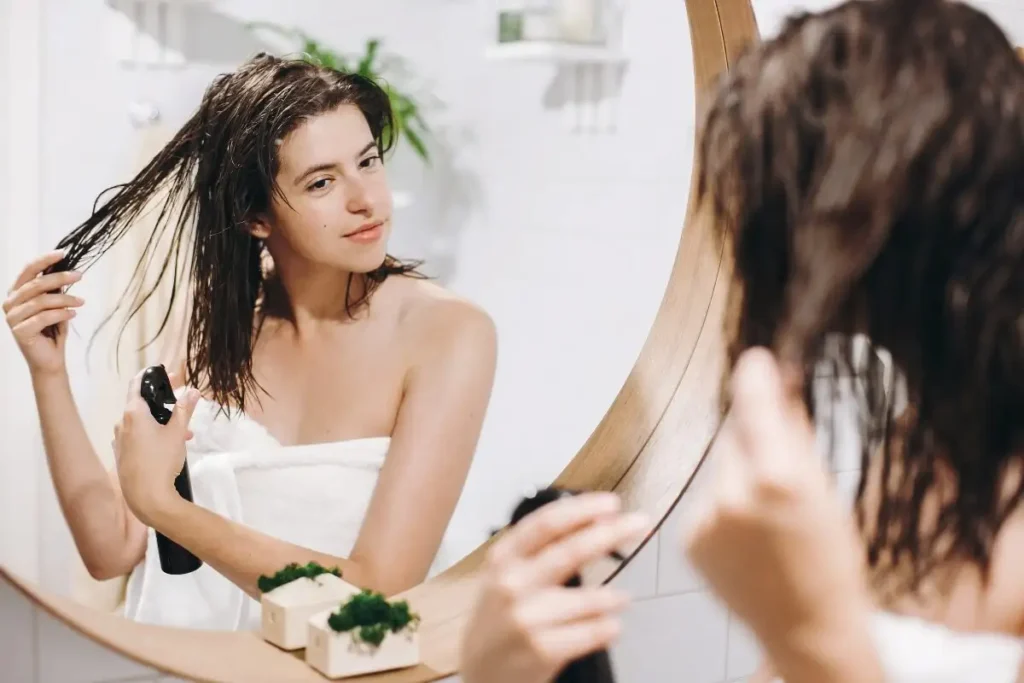
When you use a hair mask, the hair absorbs moisture and nutrients that help improve its internal condition. Dry strands begin to regain hydration, while damaged areas become more flexible and less prone to snapping.
At the same time, the outer cuticle smooths down. This creates a softer texture and allows light to reflect more evenly, which improves shine.
Over time, repeated use can lead to stronger strands, reduced breakage, and improved manageability. Hair becomes easier to detangle, style, and maintain between washes.
What Are the Benefits of Using a Hair Mask?
Hair masks provide targeted benefits that improve both the immediate appearance and long-term health of your hair. They are especially useful for addressing dryness, damage, and loss of shine.
Key benefits include:
- Deep hydration that restores moisture balance
- Smoother texture with reduced roughness
- Increased shine from a flatter cuticle
- Strengthening support to reduce breakage
- Improved manageability during styling
These benefits work together to make hair feel healthier and easier to care for on a daily basis.
How Do Hair Masks Improve Dry or Damaged Hair?
Hair masks improve dry or damaged hair by replenishing moisture and filling in weak spots along the hair strand. This reduces brittleness and helps restore a smoother surface.
Hydrated hair is more flexible, which means it bends instead of breaking. This reduces split ends and improves overall resilience.
With consistent use, hair begins to feel softer and look healthier. This is especially important for hair that has been exposed to heat styling or chemical treatments.
Signs your hair is benefitting from a mask include:
- Less brittleness when handling hair
- Reduced split ends over time
- Improve elasticity when stretching strands
- Smoother feel when running fingers through hair
Do Hair Masks Help with Frizz and Shine?
Hair appears shinier and smoother because:
- The cuticle lies flatter after conditioning
- Moisture reduces rough texture
- Light reflects more evenly across strands
- Friction between hairs is reduced
The result is hair that looks polished and feels easier to style without excessive effort.
Can Hair Masks Help Prevent Breakage?
Hair masks reduce breakage by:
- Strengthening weak areas in the strand
- Improving flexibility to prevent snapping
- Supporting protein balance in the hair
- Reducing damage from brushing and styling
Regular use helps maintain strength and reduces the risk of long-term damage.
How to Use a Hair Mask Correctly
Using a hair mask correctly ensures that the ingredients can fully absorb and deliver results. The process focuses on clean hair, even distribution, and proper timing.
A basic method includes:
- Shampooing to remove buildup and open the cuticle
- Applying the mask to damp hair
- Distributing evenly from mid-lengths to ends
- Leaving it on for the recommended time
- Rinsing thoroughly
Following these steps helps maximize the effectiveness of the treatment.
Should You Apply a Hair Mask to Wet or Dry Hair?
Damp hair improves results because:
- The cuticle is slightly open for absorption
- Water helps distribute the product evenly
- Clean hair allows ingredients to penetrate better
- Product is less likely to sit on the surface
This approach ensures that the ingredients reach deeper into the hair structure rather than sitting on the surface.
What Are the Steps to Apply a Hair Mask?
To apply a hair mask effectively, follow these steps:
- Wash your hair with shampoo to remove buildup
- Gently towel-dry until hair is damp, not dripping
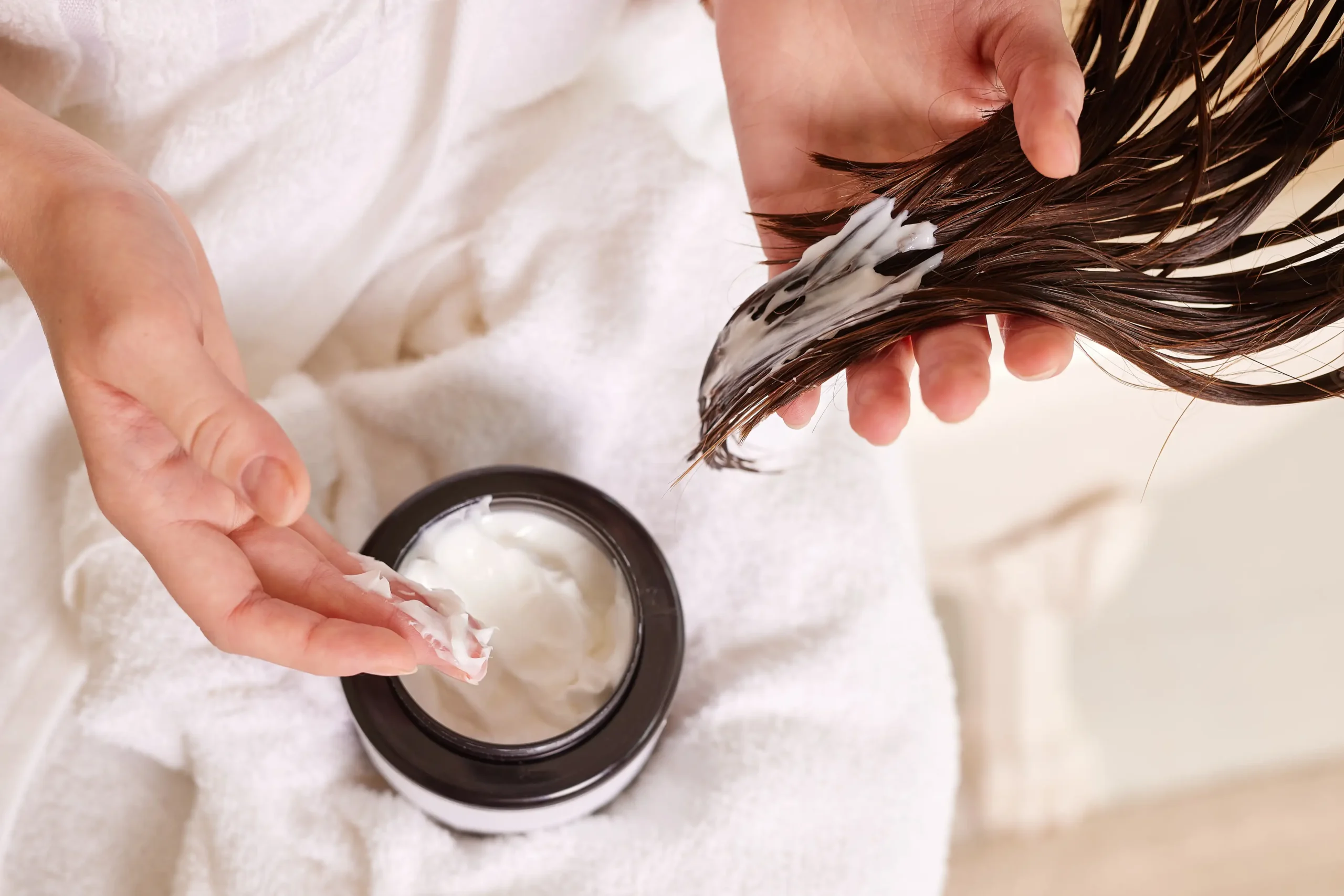
- Apply the mask from mid-lengths to ends
- Use fingers or a comb to distribute evenly
- Leave the mask on for the recommended time
- Rinse thoroughly with lukewarm water
This process ensures even coverage and allows the mask to work as intended.
How Long Should You Leave a Hair Mask On?
Leaving a mask on too long can lead to:
- Product buildup on the hair
- Heavy or coated texture
- Reduced volume, especially for fine hair
- Protein overload in some formulas
Most hair masks should be left on for 5 to 20 minutes. This gives enough time for the ingredients to absorb without causing buildup.
Some masks are designed for longer treatments, but leaving a product on beyond its instructions does not always improve results. In some cases, it may make hair feel heavy or coated.
Following the recommended timing helps achieve the best balance between hydration and manageability.
How Often Should You Use a Hair Mask?
Hair masks should be used based on your hair’s condition and needs. For many people, once a week provides enough hydration and repair.
If your hair is very dry or damaged, you may benefit from using a mask more frequently. Healthier hair may only need occasional treatments to maintain balance.
The goal is to support your hair without overloading it with product.
Should You Use a Hair Mask Every Week?
Using a hair mask every week is appropriate for most hair types, especially if your hair is dry, color-treated, or exposed to heat styling. Weekly use helps maintain moisture and prevent damage from building up over time.
If your hair is fine or becomes weighed down easily, you may need to reduce frequency. Pay attention to how your hair feels after use and adjust as needed.
What Is the Difference Between a Hair Mask and Conditioner?
Hair masks and conditioners differ in:
- Texture (masks are thicker and richer)
- Purpose (repair vs maintenance)
- Frequency of use (weekly vs regular)
- Absorption level (deep vs surface)
- Processing time (minutes vs quick rinse)
Conditioner is designed for regular use to smooth and detangle the hair after washing, while a hair mask provides deeper treatment.
Hair masks are thicker and more concentrated, allowing them to address dryness, damage, and breakage. Conditioners work more quickly and focus on surface-level smoothing.
Both products are important, but they are used for different purposes and at different frequencies.
When Should You Use a Hair Mask Instead of Conditioner?
You should use a hair mask instead of conditioner when your hair needs deeper hydration or repair. This may happen after chemical treatments, heat styling, or prolonged dryness.
Using a mask in place of conditioner occasionally can help restore balance. However, masks are not typically used every wash.
They are best used as part of a routine that includes both treatment and maintenance.
Can You Use a Hair Mask and Conditioner Together?
Yes, you can use a hair mask and conditioner together. The mask is applied first to treat the hair, followed by conditioner to smooth and seal the cuticle.
This combination helps lock in moisture and extend the benefits of the mask. It is especially helpful for hair that is very dry or damaged.
Using both products correctly can improve overall results.
How to Choose the Right Hair Mask for Your Hair Type
Choosing the right hair mask depends on your hair’s specific needs. Different formulas are designed to target different concerns such as dryness, damage, or frizz.
Selecting the right product helps ensure that you get the intended benefits without unwanted side effects like heaviness or buildup.
What Type of Hair Mask Is Best for Dry or Damaged Hair?
Hair masks for dry or damaged hair should focus on hydration and repair. These formulas are typically rich and nourishing, helping restore moisture and improve elasticity.
They are ideal for hair that feels brittle, rough, or difficult to manage.
What Hair Mask Works Best for Fine or Oily Hair?
Hair masks for fine or oily hair should be lightweight and easy to rinse out. Heavy formulas can weigh the hair down and reduce volume.
Look for products designed to hydrate without leaving residue. These help maintain balance without making hair feel greasy.
Are There Hair Masks for Curly or Color-Treated Hair?
Yes, there are hair masks designed for curly and color-treated hair. Curly hair benefits from extra moisture to reduce frizz and improve definition.
Color-treated hair requires formulas that help maintain vibrancy while preventing dryness. These masks support both appearance and long-term hair health.
Who Benefits Most from Using a Hair Mask?
Hair masks are most beneficial for individuals with dry, damaged, or chemically treated hair. They are also helpful for those who frequently use heat styling tools.
These treatments provide noticeable improvements in softness, strength, and manageability. They can also help maintain hair health between salon visits.
Do You Need a Hair Mask If Your Hair Is Healthy?
You do not always need a hair mask if your hair is already healthy. However, occasional use can provide extra hydration and protection.
Using a mask when needed helps maintain balance without overloading the hair with product.
When Should You Avoid or Limit Hair Mask Use?
Hair mask use should be limited if your hair becomes weighed down or feels coated. Overuse can lead to buildup and reduce volume.
It is important to match the product type and frequency to your hair’s needs. Using the wrong mask or applying it too often can affect how your hair looks and feels.
Can Using a Hair Mask Too Often Damage Hair?
Using a hair mask too often can lead to issues like heaviness or stiffness. Some masks contain proteins, and excessive use may cause the hair to feel brittle.
Balancing hydration and strengthening treatments is important. Adjust your routine if your hair starts to feel overly coated or dry.
Real-World Salon Examples of Hair Mask Use
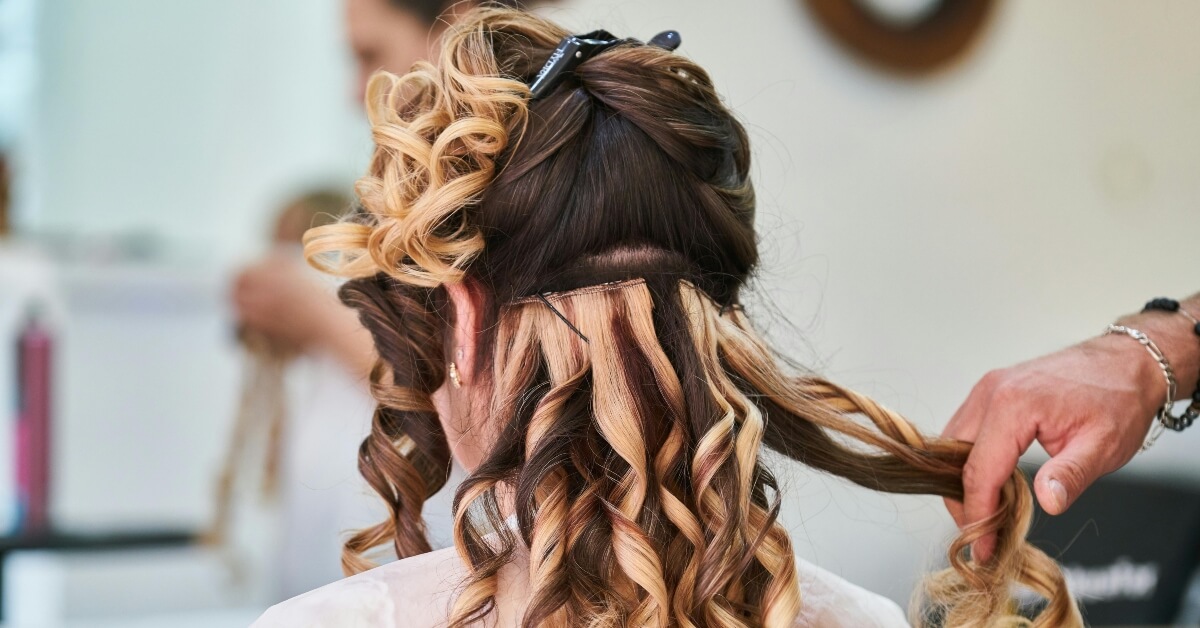
Hair masks are commonly used in salons to restore moisture and improve hair condition after chemical services. They are also recommended for maintaining results between appointments.
Stylists often customize mask use based on the client’s hair type, lifestyle, and concerns. This helps ensure consistent results without overuse.
What Does a Simple Hair Mask Routine Look Like?
A simple routine includes:
- Shampooing to cleanse the hair
- Applying a mask to damp lengths
- Leaving it on for the recommended time
- Rinsing thoroughly
- Following with conditioner if needed
This routine can be adjusted based on hair condition and frequency of washing.
Frequently Asked Questions About Hair Masks
Can You Leave a Hair Mask on Overnight?
You can leave some hair masks on overnight if they are designed for extended use. However, most masks are formulated for shorter application times.
Leaving a mask on too long may lead to buildup or heaviness. Always follow the product instructions for best results.
Should You Shampoo After Using a Hair Mask?
You should not shampoo after using a hair mask unless the instructions say otherwise. Masks are typically applied after shampooing and then rinsed out.
Shampooing afterward can remove the benefits of the treatment.
Can You Use a Hair Mask Instead of Conditioner?
You can use a hair mask instead of conditioner occasionally when your hair needs deeper treatment. This is useful for dry or damaged hair.
However, masks are not intended for daily use and should not fully replace conditioner in a regular routine.
Are Hair Masks Worth It for All Hair Types?
Hair masks are not necessary for every hair type, but they can benefit most people when used correctly. Those with dry, damaged, or textured hair tend to see the most improvement.
For healthy or fine hair, occasional use may be enough to maintain balance without causing buildup.