What Is the Difference Between Highlights vs. Lowlights?
The difference between highlights vs. lowlights is that highlights add strands lighter than your natural color, while lowlights add strands darker than your natural color. Highlights brighten and lift the overall look of the hair. Lowlights add depth, dimension, and richness.
Both techniques color selected sections of hair rather than the whole head. This creates contrast and movement that a single, all-over color usually cannot.
Considering highlights or lowlights? Schedule your appointment at Societe Salon. Our expert stylists can help you choose the right placement and shade to complement your skin tone, haircut, and lifestyle.
What Are Highlights?
Highlights are sections of hair lightened a few shades above your natural or current base color. They are often placed around the face and crown, where light naturally hits the hair.
What Are Lowlights?
Lowlights are sections of hair colored a few shades darker than your natural or current base color. They are typically woven beneath or between lighter strands to create shadow and dimension.
How Do Highlights and Lowlights Work?
Highlights and lowlights work by changing the color of select strands so they contrast with the surrounding hair. The eye reads that contrast as dimension, which can make hair look fuller, brighter, or richer.
How Does Lightening Create Highlights?
Lightening creates highlights by opening the cuticle, the outer protective layer of the hair, and breaking down some of the natural pigment inside. Most highlights use lightener, often called bleach, or a high-lift color. Because pigment is removed, the result is permanent until the hair grows out or is recolored.
How Do Lowlights Add Depth?
Lowlights add depth by depositing darker pigment onto selected strands. The darker pieces act like shadows, which makes the lighter areas around them stand out more.
Does Lowlighting Use Bleach?
No, lowlighting does not typically use bleach. Lowlights usually only deposit color, so they are often gentler on the hair than highlights. However, lowlights placed on previously lightened hair may need a special pre-treatment so the darker color holds evenly.
What Are the Benefits of Highlights vs. Lowlights?
The benefits of highlights vs. lowlights depend on whether you want to brighten your look or deepen it. Each technique solves a different color goal, and the right choice often depends on your starting color.
What Are the Benefits of Highlights?
The benefits of highlights center on brightness and lift. They can soften a heavy base color and make the face appear more illuminated.
Common benefits of highlights include:
- Brightening dull or flat color
- Softening the look of gray regrowth
- Framing the face with light
- Creating a sun-kissed effect
What Are the Benefits of Lowlights?
The benefits of lowlights center on depth and dimension. They can restore richness to hair that has become too light or one-dimensional.
Common benefits of lowlights include:
- Adding depth to overly light hair
- Making fine hair appear thicker
- Blending grown-out highlights more naturally
- Transitioning toward a darker shade gradually
Can You Combine Highlights and Lowlights?
Yes, you can combine highlights and lowlights in the same service. Many stylists use both to create balanced, natural-looking dimension. The lighter pieces add brightness, while the darker pieces keep the color from looking washed out.
How Are Highlights and Lowlights Done at the Salon?
Highlights and lowlights are done at the salon by isolating small sections of hair, applying lightener or color to them, and processing them separately from the rest of the hair. The placement, section size, and shade all shape the final result.
What Happens During a Color Consultation?
A color consultation is a conversation where the stylist reviews your hair history, goals, and current condition before any color is applied. This step helps the stylist decide whether highlights, lowlights, or a mix will best match what you want.
What Are the Typical Steps of the Service?
The typical steps of a highlight or lowlight service follow a consistent order:
- Discuss goals, hair history, and maintenance preferences
- Choose shades based on skin tone and base color
- Section the hair and apply color using foils or hand-painting
- Process the color while checking the lift or deposit
- Rinse, tone if needed, and condition the hair
- Style and review the placement together
How Long Does a Highlight or Lowlight Appointment Take?
A highlight or lowlight appointment typically takes between one and a half and three hours. Full highlights often take longer than lowlights because lightening needs more processing time and monitoring. Thick or long hair may also add time.
Do Highlights and Lowlights Use Foils?
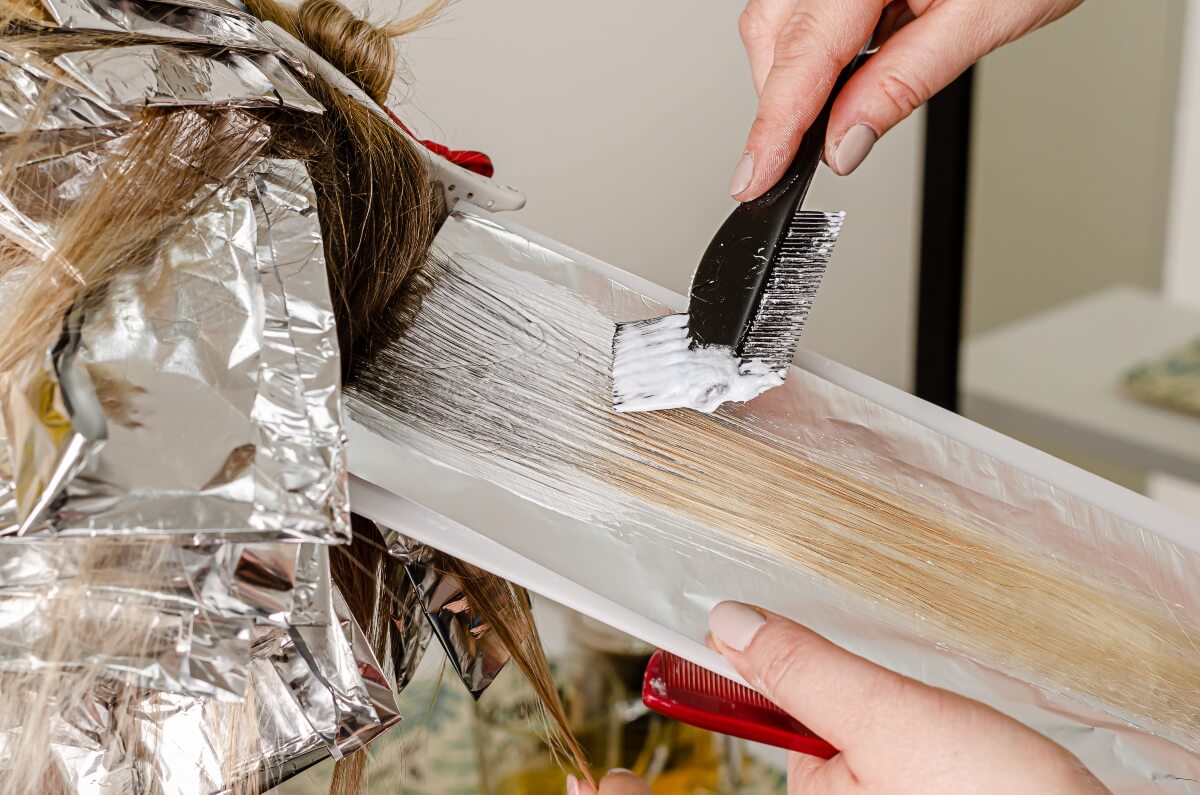
Yes, highlights and lowlights often use foils, though not always. Foils keep colored sections separate and can help lightener process more evenly. Some stylists hand-paint the color instead for a softer, more blended effect.
[IMAGE: close up of hair sectioned in foils during highlight service]
What Is the Difference Between Highlights, Lowlights, and Other Color Techniques?
The difference between highlights, lowlights, and other color techniques usually comes down to how the color is placed and how much hair it covers. Many popular services are actually variations of highlighting or lowlighting.
Are Highlights the Same as Balayage?
No, highlights are not exactly the same as balayage. Traditional highlights are usually placed in foils from root to end for a more uniform pattern. Balayage is a hand-painted lightening technique that typically starts lower on the strand for a softer, grown-out look.
Are Babylights the Same as Highlights?
Yes, babylights are a type of highlight, but they use much finer sections. The result is subtle, delicate brightness that can mimic the way a child’s hair lightens naturally in the sun.
Are Lowlights the Same as All-Over Darker Color?
No, lowlights are not the same as all-over darker color. All-over color changes the entire head to one shade. Lowlights darken only selected strands, which keeps some of your existing lighter color visible.
How Do You Choose Between Highlights and Lowlights for Your Hair?
You choose between highlights and lowlights by considering your starting color, your goal, and how much upkeep you prefer. A stylist can also look at your skin tone and haircut to guide placement.
Which Works Best for Dark Hair?
Highlights typically work best for dark hair when the goal is brightness and dimension. Dark hair often lifts through warm stages, such as red or orange, so toning is usually part of the service. Lowlights can still be useful on dark hair to blend previous highlights.
Which Works Best for Blonde Hair?
Lowlights often work best for blonde hair that has become too light, brassy, or flat. Adding a few darker strands can make blonde look richer and more natural. Fresh highlights can also brighten blonde hair that has darkened at the root.
Which Is Better for Gray Hair?
Highlights are often better for blending gray hair because lighter strands make regrowth less noticeable. Lowlights can also help by adding back some of the depth that gray hair has lost. Many people with gray hair benefit from a combination of both.
Does Hair Texture Matter?
Yes, hair texture matters when choosing highlights or lowlights. Curly and coily hair can show color differently because of how the strands twist and reflect light. Fine hair may process faster, while coarse hair may need more time.
Who Benefits Most from Highlights vs. Lowlights?
The people who benefit most from highlights vs. lowlights are those whose color goals match what each technique does best. Highlights tend to suit people seeking brightness, while lowlights suit those seeking depth.
Who Should Consider Highlights?
People who want to brighten their look are good candidates for highlights. Highlights often suit:
- Anyone with flat medium brown hair
- People blending early gray strands
- Those wanting a sunnier summer look
- Clients refreshing a darker base color
Who Should Consider Lowlights?
People who want richer, deeper color are good candidates for lowlights. Lowlights are often a good fit for those whose hair has become too light from repeated highlighting. They also suit anyone preparing to transition back toward a natural darker shade.
Who Needs Extra Care?
People with fragile, chemically treated, or very fine hair need extra care with highlights and lowlights. Lightening in particular can weaken hair that has already been relaxed, permed, or bleached. A stylist can assess the hair’s strength before deciding on the best approach.
When Should You Avoid or Reconsider Highlights and Lowlights?
You should avoid or reconsider highlights and lowlights when your hair is already damaged, recently chemically treated, or showing signs of breakage. Adding more color to weak hair can make the damage worse.
Signs your hair may need a break include:
- Breaking or snapping when brushed
- Feeling gummy or stretchy when wet
- Tangling more easily than usual
- Looking dull despite regular conditioning
Can You Get Highlights on Damaged Hair?
No, highlights are generally not recommended on visibly damaged hair. Lightener can further weaken the strand, especially if the cuticle is already rough or broken. A stylist may suggest strengthening treatments first, or lowlights as a gentler alternative.
Can Highlights or Lowlights Be Overdone?
Yes, highlights and lowlights can be overdone. Too many highlights can leave hair looking blonde all over and lacking dimension. Too many lowlights can make hair look heavy or muddy.
When Should You See a Stylist First?
You should see a stylist first if you have box dye, a recent chemical service, or uneven color from past treatments. Previous color can react unpredictably with lightener or new pigment. A professional evaluation helps avoid patchy results and unnecessary damage.
How Do You Care for Highlights and Lowlights?
You care for highlights and lowlights by using color-safe products, limiting heat, and scheduling regular salon refreshes. Good care can help color stay vibrant longer and keep the hair healthy between appointments.
How Often Do Highlights Need a Touch-Up?
Highlights typically need a touch-up every six to twelve weeks. The timing depends on how fast your hair grows and how much contrast exists between the highlights and your roots. Softer, blended techniques often allow longer gaps between visits.
How Often Do Lowlights Need a Refresh?
Lowlights typically need a refresh every four to eight weeks. Deposited color tends to fade faster than lightened color, especially on porous hair. Porosity refers to how easily hair absorbs and loses moisture and pigment.
What Products Help Maintain Highlighted and Lowlighted Hair?
Products that help maintain highlighted and lowlighted hair focus on gentle cleansing, moisture, and protection. Helpful product categories include:
- Sulfate-free color-safe shampoo
- Deep conditioning hair masks
- Heat protectant sprays
- Purple or blue toning shampoo
- Leave-in conditioner with UV protection
What Daily Habits Help Color Last Longer?
Daily habits that help color last longer include washing less often, using lukewarm water, and keeping hot tools on lower settings. Protecting hair from strong sun and chlorine can also reduce fading and brassiness.
Real-World Salon Examples of Highlights vs. Lowlights
Real-world salon examples of highlights vs. lowlights show how stylists match each technique to a client’s starting point and goals. These scenarios reflect common situations seen in the salon chair.
What Might a Stylist Suggest for Flat Brown Hair?
A stylist might suggest soft highlights for flat brown hair. For example, a client with medium brown hair who wants more brightness without high maintenance may receive fine caramel highlights around the face and part. The result adds warmth and movement while growing out gently.
What Might a Stylist Suggest for Over-Highlighted Blonde Hair?
A stylist might suggest lowlights for over-highlighted blonde hair. For example, a client whose blonde has become nearly solid after many sessions may receive a few honey or golden-beige lowlights. This restores dimension and can reduce how often lightening is needed.
What Routine Do Stylists Often Recommend After Color?
The routine stylists often recommend after color focuses on protecting the new shade in the first few weeks:
- Wait about 48 to 72 hours before the first wash
- Use a color-safe shampoo and conditioner
- Apply a hair mask once a week
- Use heat protectant before every hot tool
- Book a gloss or toner between full services
Frequently Asked Questions About Highlights vs. Lowlights
Frequently asked questions about highlights vs. lowlights often focus on damage, longevity, and at-home options. The answers below cover concerns not addressed above.
Do Lowlights Fade Faster Than Highlights?
Yes, lowlights usually fade faster than highlights. Highlights remove pigment, while lowlights add pigment that can gradually wash out, especially on previously lightened hair.
Do Highlights Damage Hair?
Highlights can cause some damage because lightener changes the structure of the hair. With careful application, proper toning, and regular conditioning, many people keep highlighted hair healthy.
Are Lowlights Good for Thin Hair?
Yes, lowlights can be good for thin hair. Darker strands create the look of shadow beneath lighter ones, which may make hair appear fuller.
Can You Do Highlights or Lowlights at Home?
You can try highlights or lowlights at home, but results are often less predictable. Placement, timing, and toning are difficult to control on your own hair, so a salon service is usually recommended, especially for lightening.
How to Decide if Highlights or Lowlights Are Right for You
Deciding if highlights or lowlights are right for you starts with your goal: highlights brighten, while lowlights add depth. Your starting color, hair condition, and maintenance preferences also play a role. When in doubt, a stylist consultation can help you choose the technique, or combination, that suits your hair best.