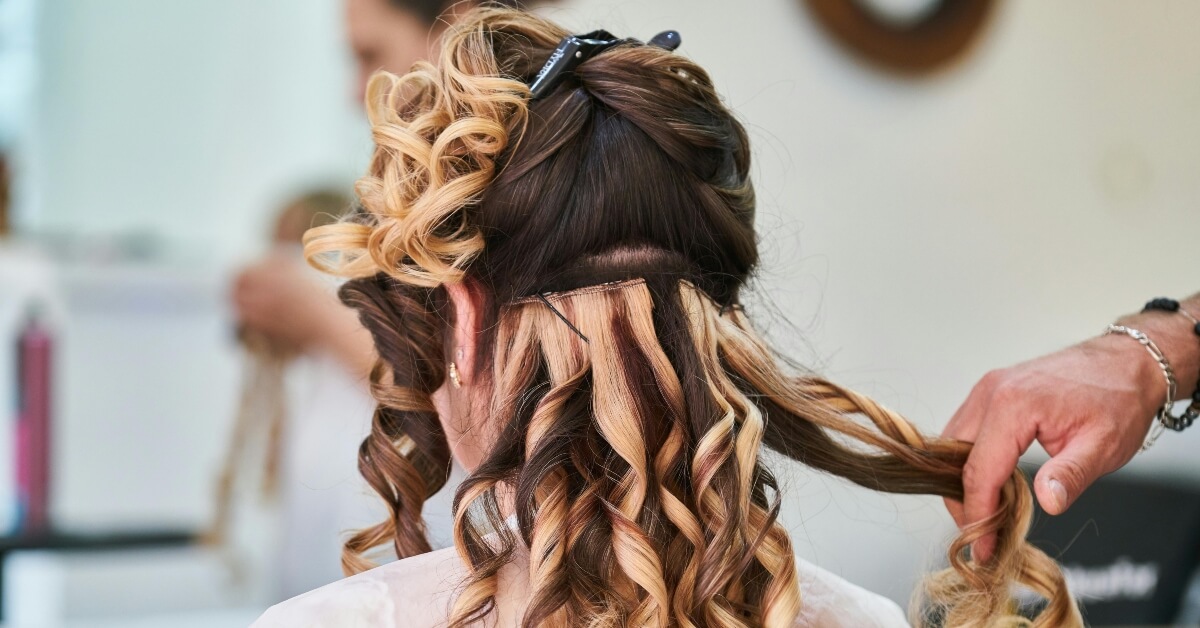
What Is Double Process Hair Color?
A double process hair color is a two-step coloring service where the hair is first lightened with bleach and then colored with a toner or dye. The first step removes natural pigment, and the second step deposits the final shade. This approach is typically used to create platinum blonde, pastel, or vivid shades that a single color application cannot achieve.
Considering double process hair color? Schedule your appointment at Societe Salon. Our expert stylists customize every lightening and toning step to protect your hair and deliver the shade you want.
Why Is It Called Double Process Hair Color?
It is called double process hair color because the hair goes through two separate chemical processes. Each step uses its own product, timing, and rinse, either in one appointment or across two visits.
Is Double Process the Same as Bleach and Tone?
Yes, double process is essentially the same as bleach and tone. Bleach and tone is the casual name, while double process is the term many salons use on their service menus.
How Does Double Process Hair Color Work?
Double process hair color works by first opening the cuticle, the protective outer layer of the hair, so lightener can break down natural pigment inside the strand. Once the hair reaches the right level of lightness, a toner or dye is applied to neutralize unwanted warmth and create the final shade.
What Happens During the Lightening Step?
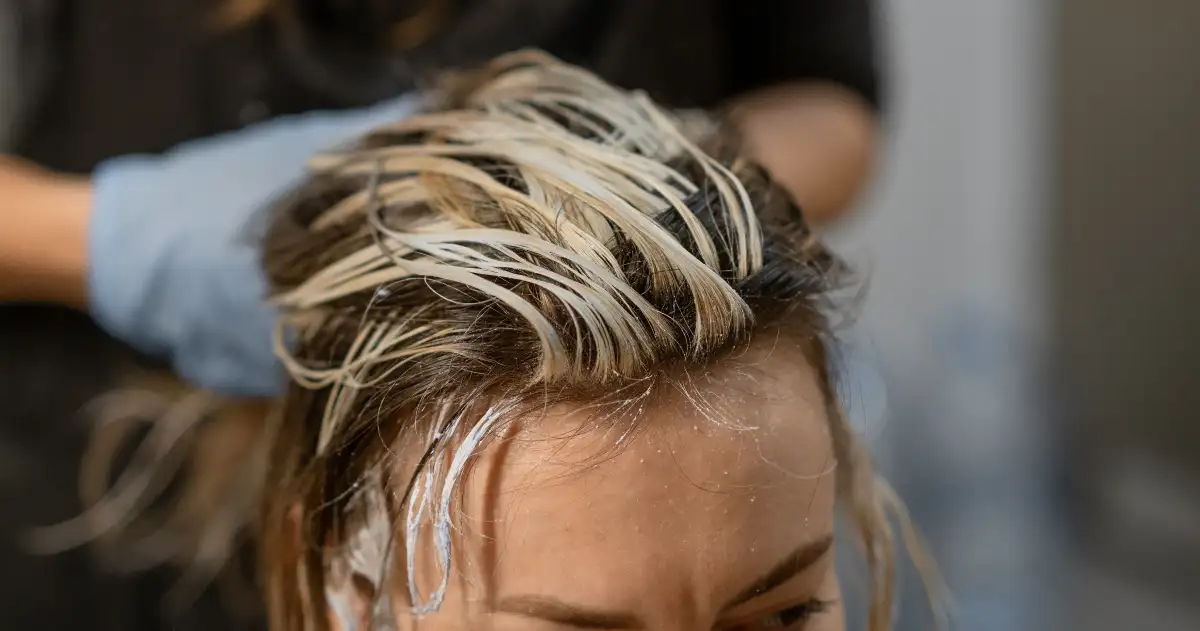
During the lightening step, bleach mixed with developer breaks down melanin, the natural pigment in each strand. The hair moves through stages of lightness, typically from red to orange to yellow to pale yellow.
A stylist watches this stage closely because timing affects both the final color and the hair’s condition.
What Does the Toning Step Do?
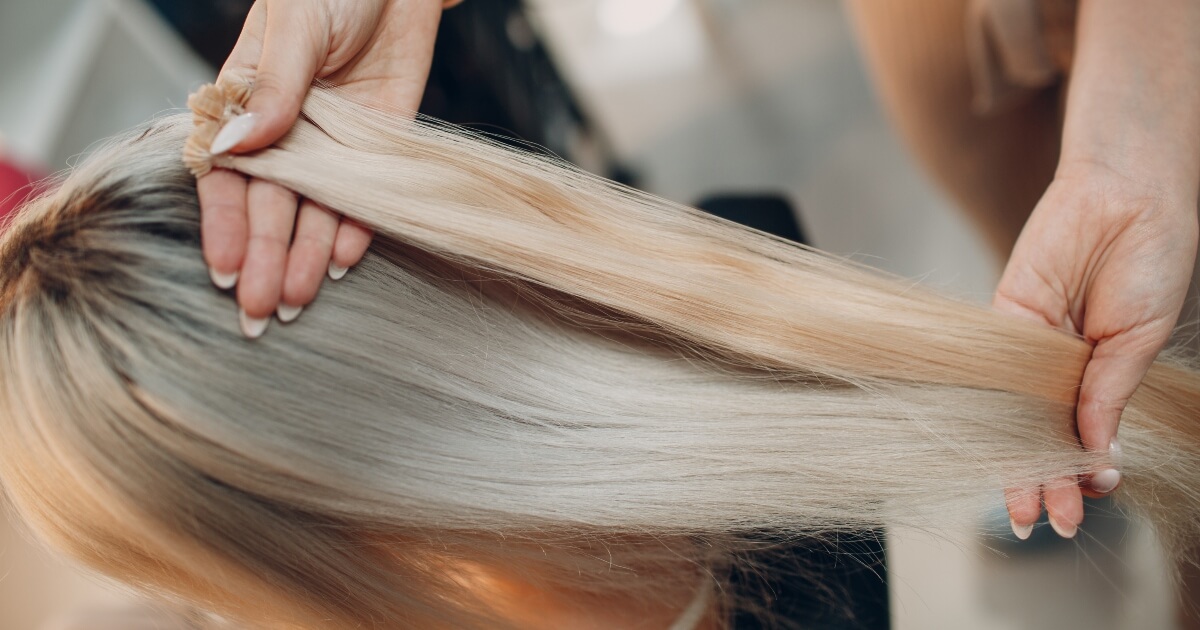
The toning step neutralizes leftover warmth and gives lightened hair its finished shade. Toners rely on color theory, such as violet canceling yellow, to shift raw lightened hair toward ash, beige, champagne, or pearl tones.
Toners deposit color without lifting further, which is why they are usually demi-permanent color formulas that fade gradually over several weeks.
Why Does Lightened Hair Look Yellow or Orange Before Toning?
Lightened hair looks yellow or orange before toning because warm pigments are the last to break down. Darker hair holds more red and orange pigment, so it often shows brassiness at earlier stages of lightening.
Common undertones exposed by lightening include:
- Red in very dark hair
- Orange in dark brown hair
- Gold in medium brown hair
- Yellow in light brown hair
- Pale yellow in dark blonde hair
What Are the Benefits of Double Process Hair Color?
Key benefits include:
- Reaching platinum and icy blonde shades
- Creating soft pastel and vivid colors
- Blending gray with lighter tones
- Producing even color from root to end
- Customizing the exact finished tone
The main benefit of double process hair color is that it can create light, clean shades that a single color application cannot reach. Because the hair is lightened first, the toner or dye has an even base to work on.
Can Double Process Hair Color Achieve Platinum Blonde?
Yes, double process hair color is the standard way to achieve platinum blonde. Platinum requires lifting hair to a very pale yellow and then toning out the remaining warmth, which takes both steps.
Very few adults keep naturally light blonde hair past childhood, so platinum almost always depends on lightening.
Does Double Process Give More Even Color Than Highlights?
Yes, double process typically gives more even, all-over color than highlights because every strand is lightened and toned. Highlights lighten only selected sections, which creates dimension rather than a solid shade.
Can Double Process Hair Color Cover Gray Hair?
Yes, double process hair color can help blend gray hair by lifting the surrounding color closer to the gray strands. Once the hair is lighter, a soft toner evens out the shade, so regrowth tends to look less obvious than it would with dark, solid color.
How Is Double Process Hair Color Done at the Salon?
Double process hair color is done at the salon in a set sequence of consultation, lightening, rinsing, toning, and finishing. Each step builds on the one before it, so careful timing and monitoring matter.
A typical double process appointment follows these steps:
- Consultation and strand test to check how the hair lifts
- Lightener applied section by section, often starting at mid-lengths
- Processing time with regular checks on lift and condition
- Rinse and gentle shampoo to remove lightener
- Toner or dye applied to damp, towel-dried hair
- Final rinse, conditioning treatment, and styling
Why Is Lightener Applied to the Mid-Lengths First?
Lightener is often applied to the mid-lengths first because the hair closest to the scalp processes faster. Body heat from the scalp speeds up lifting, so the roots are typically added later to keep the color even from top to bottom.
What Happens During a Double Process Consultation?
During a double process consultation, a stylist reviews your hair’s history, condition, and starting color before choosing a plan. Previous dye, smoothing treatments, or breakage can all change how the hair lifts.
Bringing photos and explaining what you want from your stylist clearly helps set realistic expectations.
How Long Does a Double Process Hair Color Appointment Take?
A double process hair color appointment typically takes three to five hours. Timing depends on hair length, thickness, starting color, and how much lift is needed.
Can Double Process Be Done in One Appointment?
Yes, double process can often be done in one appointment, but very dark or previously colored hair may need two or more sessions. Spacing out lightening sessions gives the hair time to recover and reduces the risk of breakage.
What Is the Difference Between Double Process and Single Process Hair Color?
The difference between double process and single process hair color is that single process lifts and deposits color in one application, while double process separates lightening and toning into two steps. Single process can typically lift natural hair only a few shades, so it cannot create very pale blonde.
Key differences come down to:
- Number of chemical steps
- Amount of lift possible
- Time spent in the salon
- Level of ongoing maintenance
- Overall effect on hair condition
Is Single Process Gentler Than Double Process?
Yes, single process is usually gentler than double process because it uses one chemical step and lifts less. It works well for darkening, covering gray, or going a few shades lighter.
Are Highlights a Type of Double Process Color?
No, highlights are not usually considered double process color, even though they are often toned afterward. Highlights lighten only selected strands, while double process lightens all of the hair.
Many people compare highlights and lowlights when they want dimension rather than a solid light shade.
Is Double Process the Same as Balayage?
No, double process is not the same as balayage. Balayage is a hand-painted technique that places lightener on chosen sections for a soft, grown-out effect, while double process lightens the whole head evenly.
A balayage blonde look typically requires less upkeep at the roots.
How Do You Choose the Right Double Process Hair Color Shade?
You choose the right double process hair color shade by considering your skin tone, starting hair color, and how much maintenance you can manage. A stylist can help balance the shade you want with what your hair can safely achieve.
Does Skin Tone Matter When Choosing a Double Process Color?
Yes, skin tone matters because the undertone of the toner can either brighten or wash out your complexion. Cool skin tones often suit icy or ash blondes, while warm skin tones may look best with golden or honey shades.
Does Your Starting Hair Color Affect the Result?
Yes, your starting hair color affects how many sessions are needed and how much warmth must be neutralized. Dark brown or black hair has more pigment to remove, so reaching pale blonde typically takes longer.
Thinking through whether you look better blonde or brunette can help before committing to a major change.
Does Hair Texture Change How Double Process Works?
Yes, hair texture can change how double process works. Fine hair often lifts quickly but can be more fragile, while coarse or curly hair may resist lightening and need extra moisture support.
Following a care routine suited to your hair type helps the hair stay strong after lightening.
Who Is Double Process Hair Color Best For?
Double process hair color is best for people who want a dramatic, light, or vivid result and are prepared for regular salon maintenance. It suits healthy hair that has not been heavily processed.
Good candidates often include people who want:
- Platinum or icy blonde hair
- Pastel or fashion colors
- Bright, even all-over color
- A major change from dark hair
Does Double Process Work for Pastel and Vivid Colors?
Yes, double process works well for pastel and vivid colors because these shades need a very light, clean base to show true. Pastels in particular can look muddy or uneven if any yellow remains, so the lightening step has to be thorough before the color is applied.
Is Double Process Hair Color Good for Dark Hair?
Yes, double process hair color can work for dark hair, but it usually takes more time and may require several sessions. Gradual lightening helps protect the hair while working through deep red and orange pigment.
Who Needs Extra Care With Double Process Color?
People with fine, fragile, chemically straightened, or previously colored hair need extra care with double process color. These hair types may break more easily, so a stylist may use bond-building additives or recommend a slower approach.
When Should You Avoid Double Process Hair Color?
You should avoid or delay double process hair color if your hair is already damaged, breaking, or heavily processed. Lightening weakens the hair’s internal structure, so adding it to compromised hair can lead to more breakage.
Signs your hair may need a break first include:
- Breakage when brushing or detangling
- Gummy, stretchy texture when wet
- Dry, straw-like ends
- A recent relaxer or perm
- Layers of old box dye
Can You Get Double Process Color on Damaged Hair?
No, double process color is generally not recommended on visibly damaged hair. A stylist may suggest a period of repair, regular trims, and in-salon treatments for dry, damaged hair before lightening.
Can You Get Double Process Color After a Keratin Treatment?
Yes, you can get double process color after a keratin treatment, but timing matters. Many stylists recommend waiting about two weeks before dyeing hair after a keratin treatment, since lightening can shorten the smoothing results.
Should Box Dye Be Corrected Before Double Process?
Yes, box dye often needs to be addressed before double process because artificial pigment does not lift the same way natural pigment does. This may require a separate hair color correction service to remove buildup and even out the base.
How Do You Care for Double Process Hair Color?
You care for double process hair color by keeping the hair moisturized, protecting the toner from fading, and scheduling regular root touch-ups. Lightened hair is more porous, meaning it absorbs and loses moisture and color more easily.
How Often Does Double Process Hair Color Need Touch-Ups?
Double process hair color typically needs root touch-ups every four to six weeks. Toner may also need refreshing between visits, since it can fade within a few weeks.
Some people choose root smudging to soften regrowth and stretch the time between appointments.
What Products Help Maintain Double Process Color?
Products made for color-treated or lightened hair help maintain double process color. Gentle formulas protect the toner, while moisturizing products support hair that has been through lightening.
Helpful product categories include:
- Sulfate-free color-safe shampoo
- Purple or toning shampoo
- Deep conditioning hair mask
- Lightweight leave-in conditioner
- Heat protectant spray
Checking labels for harsh shampoo ingredients can also help prevent early fading.
How Do You Protect Double Process Color From Chlorine and Sun?
You protect double process color from chlorine and sun by wetting and conditioning hair before swimming and covering it outdoors. Chlorine and minerals can tint lightened hair green or brassy, so protecting blonde hair from chlorine is especially important.
UV exposure can also fade toner, so a hat or a UV-protective spray can help.
Real-World Salon Examples of Double Process Hair Color
Real-world salon examples of double process hair color show how the service is adjusted to each client’s starting point and goals. The same finished shade can require very different plans.
How Might a Brunette Go Platinum With Double Process?
A brunette might go platinum with double process over two or three sessions spaced several weeks apart. For example, a client with medium brown hair who wants icy blonde may lift to a golden stage in the first visit and leave with a soft beige toner.
At the next visit, the stylist lifts the hair to pale yellow and tones it to platinum. This staged approach helps keep the hair strong enough to hold the final color.
What Does a Typical Double Process Maintenance Routine Look Like?
A typical double process maintenance routine combines gentle washing, weekly conditioning, and scheduled salon visits. Many stylists suggest a simple routine like this:
- Wash two to three times per week with color-safe shampoo
- Use purple shampoo once a week to control brassiness
- Apply a deep conditioning mask once a week
- Use heat protectant before any hot tools
- Book root touch-ups every four to six weeks
- Refresh toner between visits as needed
Frequently Asked Questions About Double Process Hair Color
Does Double Process Hair Color Damage Your Hair?
Double process hair color can cause some damage because lightening alters the hair’s structure. Careful timing, bond-building products, and consistent aftercare can help limit that damage.
Why Does Hair Feel Dry After Double Process Color?
Hair feels dry after double process color because lightening raises the cuticle and removes some of the hair’s natural oils. Many of the same habits that ease suddenly dry hair also help lightened hair hold moisture.
Can You Do Double Process Hair Color at Home?
Double process hair color is not recommended at home because uneven lightening, overprocessing, and breakage are common with DIY bleach. A salon setting allows controlled timing, strand testing, and professional toning.
How Long Does Double Process Hair Color Last?
Double process hair color is permanent on the lightened hair, but toner typically fades within four to eight weeks. Visible regrowth usually appears within a month, depending on how fast your hair grows.
How to Decide if Double Process Hair Color Is Right for You
Double process hair color is right for you if you want a light, even, or vivid result and are ready for regular upkeep. Healthy hair, realistic expectations, and a skilled stylist are the foundation of a good result.
If your hair has a complex color history or shows signs of damage, a professional consultation is the best first step.