What Are Split Ends in Hair?
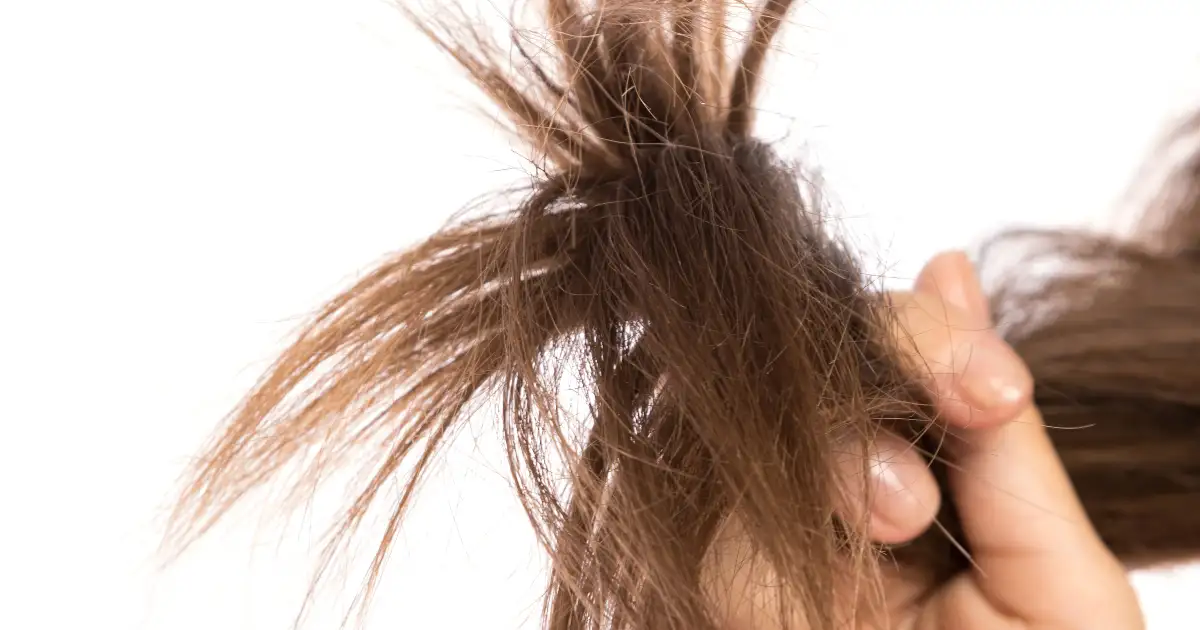
Split ends in hair are strands that have frayed or split apart at the tips, usually after the protective outer layer wears away. They are typically caused by heat, chemical processing, friction, and dryness that weaken the hair over time. Because hair cannot heal itself, a split end stays split until it is trimmed away.
Considering a trim for split ends? Schedule your appointment at Societe Salon. Our expert stylists remove damaged ends with precision and help you build a routine that keeps your hair healthy between visits.
How Do Split Ends Form?
Split ends form when the cuticle, the thin outer layer of each strand, wears down and exposes the softer inner fibers. Without that protective layer, the inner fibers dry out and begin to separate. Over time, the strand splits into two or more pieces at the tip.
What Happens to the Cuticle When Hair Splits?
When hair splits, the cuticle has lifted, cracked, or worn away in that area. The cuticle is made of overlapping cells that lie flat like roof shingles and protect the core of the strand. Once these cells chip off, the inner layer, called the cortex, has no shield against moisture loss and friction.
Why Do the Ends of Hair Split First?
The ends of hair split first because they are the oldest and most worn part of each strand. Hair at the tips may be several years old and has been through every wash, brushing, and styling session since it grew from the scalp. The scalp’s natural oils also rarely reach the ends, which leaves them drier than the rest of the hair.
Can a Split Travel Up the Hair Shaft?
Yes, a split can travel up the hair shaft if it is left untrimmed. Friction from brushing and styling can pull the separated fibers further apart and extend the split toward the root. This is why stylists often recommend trimming split ends sooner rather than later.
What Are the Most Common Causes of Split Ends in Hair?
The most common causes of split ends in hair are heat styling, chemical processing, rough handling, and environmental exposure. Most split ends come from a combination of these factors rather than a single cause.
Split ends are most often linked to:
- Frequent hot tool use
- Bleach and permanent color
- Rough brushing and towel drying
- Sun, wind, and dry air
- Chlorine and hard water
- Infrequent trims
Does Heat Styling Cause Split Ends?
Yes, heat styling can cause split ends, especially when hot tools are used often or at high temperatures. Flat irons, curling irons, and blow dryers draw moisture out of the strand and can soften the cuticle. Repeated heat without protection leaves hair brittle and more likely to split.
Can Hair Color and Bleach Cause Split Ends?
Yes, hair color and bleach can cause split ends because they work by opening the cuticle to change the pigment inside the strand. Lightening is typically the most demanding process, and services such as double-process hair color place extra stress on the hair. Careful application and conditioning care afterward can help limit this damage.
Does Brushing Cause Split Ends?
Yes, brushing can cause split ends when it is done roughly, too often, or on wet, tangled hair. Pulling a brush through knots stretches and snaps fibers at the ends. Starting at the tips and working upward with a wide-tooth comb typically reduces this friction.
Can Weather and Water Cause Split Ends?
Yes, weather and water can contribute to split ends by drying out the hair over time. Sun, wind, and cold, dry air all pull moisture from the strand, while minerals in hard water can leave a dulling buildup. Swimmers may also notice more splitting from chlorine exposure in pools.
How Do Split Ends Affect Your Hair?
Split ends affect your hair by making it look duller, feel rougher, and break more easily. Even a small number of split ends can change how the hair moves and how well a style holds.
Split ends typically lead to:
- Rough, straw-like texture
- Dullness at the ends
- Frizz and flyaways
- Ongoing breakage
- Styles that fall flat
Do Split Ends Make Hair Look Thinner?
Yes, split ends can make hair look thinner, especially at the ends. As strands split and break off at different lengths, the bottom of the hair loses its fullness and can look wispy or uneven.
Do Split Ends Cause Frizz and Tangles?
Yes, split ends can cause frizz and tangles because the frayed tips catch on neighboring strands. The raised cuticle also absorbs moisture from humid air, which makes the hair puff and swell. If you often deal with hair that tangles easily, split ends may be part of the reason.
Can Split Ends Slow Down Hair Growth?
No, split ends do not slow down hair growth, since growth happens at the scalp. However, split ends can make it harder to keep length because the damaged tips continue to break. This can make it seem as though the hair is not growing.
How Are Split Ends Treated at the Salon?
Split ends are treated at the salon mainly by trimming them away, since a split strand cannot be permanently sealed back together. Stylists may also recommend conditioning treatments that strengthen the remaining hair and help prevent new splits.
A typical split end appointment follows these steps:
- Assessing the length and condition of the ends
- Washing and detangling the hair gently
- Trimming or dusting the damaged sections
- Applying a conditioning or strengthening treatment
- Finishing with a low-heat style
Is a Trim the Only Way to Remove Split Ends?
Yes, a trim is the only way to fully remove split ends. Some products can temporarily smooth split tips so they look neater, but the effect washes out. Cutting off the damaged section is the only lasting fix.
How Often Should You Trim Split Ends?
You should trim split ends about every 8 to 12 weeks for most hair types. Hair that is colored, heat styled often, or prone to dryness may benefit from trims closer to every 6 to 8 weeks.
What Is a Dusting Trim?
A dusting trim is a light cut that removes only the frayed tips, often a quarter inch or less. It is a good option for people growing out their hair who want to remove damage without losing noticeable length.
Can In-Salon Treatments Help Prevent Splitting?
Yes, in-salon treatments can help prevent splitting by adding moisture and strengthening the hair before new damage forms. Professional treatments for dry, damaged hair typically use deeper conditioning formulas than at-home products. They work best alongside regular trims rather than in place of them.
What Is the Difference Between Split Ends and Other Hair Damage?
The difference between split ends and other hair damage is that split ends are frayed tips, while other types of damage can affect the whole strand. Knowing which issue you have helps you choose the right care.
Are Split Ends the Same as Breakage?
No, split ends are not the same as breakage, though the two are closely related. Split ends are strands that have frayed at the tip, while breakage is when strands snap off partway along their length. Untreated split ends often lead to breakage over time.
Are Split Ends the Same as Dry Hair?
No, split ends are not the same as dry hair, but dryness is one of their main causes. Dry hair lacks moisture throughout the strand, which makes it rough and brittle. If your hair feels unusually parched, it helps to understand why hair can suddenly become dry before splits develop.
Are Split Ends the Same as Single-Strand Knots?
No, split ends are not the same as single-strand knots, which are tiny knots that form when a strand loops around itself. These knots are especially common in curly and coily hair. Like split ends, they weaken the strand and are usually best removed with a careful trim.
How to Choose the Right Split End Care for Your Hair Type
Choosing the right split end care for your hair type means matching moisture, protection, and trim frequency to your texture and condition. A care routine suited to your hair type typically prevents more damage than any single product.
How Should Fine Hair Be Protected from Split Ends?
Fine hair should be protected from split ends with lightweight products and gentle handling. Heavy oils and creams can weigh fine strands down, so light leave-in sprays and serums applied only to the ends are usually a better fit. Fine hair also tends to show splits quickly, so regular trims help keep it looking full.
How Should Curly and Coily Hair Be Protected from Split Ends?
Curly and coily hair should be protected from split ends with extra moisture and minimal manipulation. The natural bends in curly strands make it harder for scalp oils to travel down to the ends. Richer leave-in conditioners, finger detangling, and fewer heat styling sessions can help reduce splitting.
How Should Color-Treated Hair Be Protected from Split Ends?
Color-treated hair should be protected from split ends with color-safe, moisturizing products and regular conditioning. Coloring opens the cuticle, so the hair often needs extra help holding onto moisture afterward. Weekly deep-conditioning hair masks are a simple way to add that support at home.
Who Is Most Likely to Get Split Ends?
The people most likely to get split ends are those with long, chemically treated, or frequently heat-styled hair. Hair that is older at the tips or exposed to repeated stress has more chances to wear down.
People who need extra care include those with:
- Long hair that is rarely trimmed
- Bleached or lightened hair
- Daily heat styling habits
- Naturally curly or coily texture
- Frequent swimming or sun exposure
Is Long Hair More Likely to Get Split Ends?
Yes, long hair is more likely to get split ends because the ends have existed longer and endured more wear. Very long hair may have tips that are several years old.
Does Blonde or Lightened Hair Split More Easily?
Yes, blonde or lightened hair often splits more easily because the lightening process weakens the inner structure of the strand. Many people with highlights for blonde hair find their ends need more frequent trims and conditioning. Gentle care can help lightened hair stay soft and strong.
Do Hair Extensions Cause Split Ends?
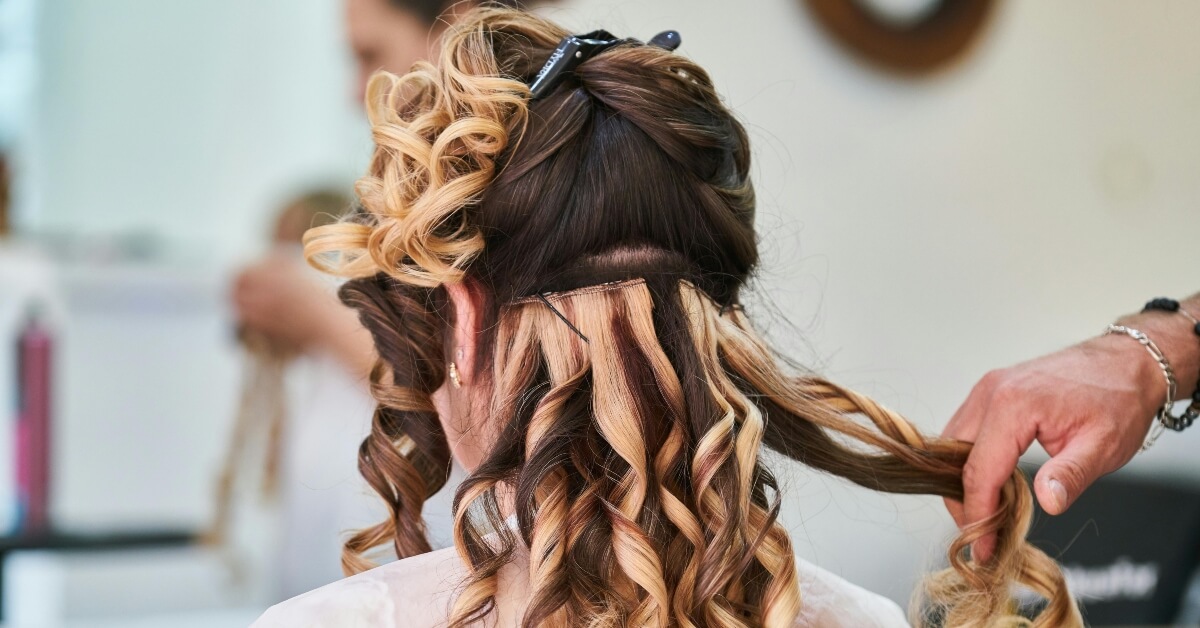
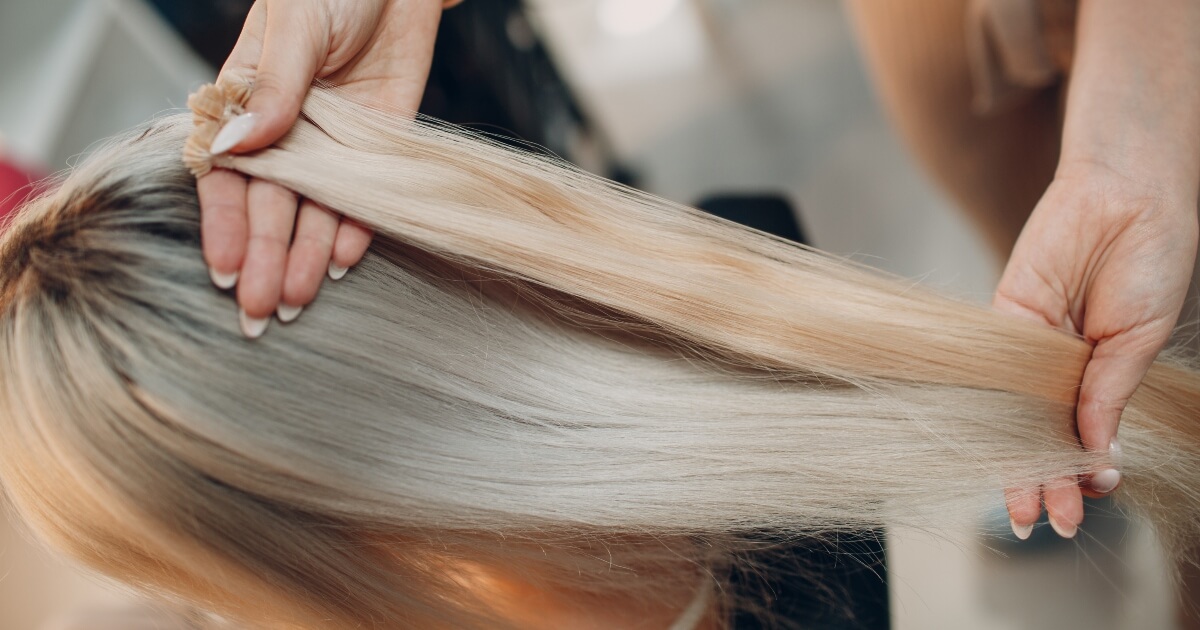
No, hair extensions do not typically cause split ends when they are applied and cared for properly. Hair extensions can damage your natural hair when they add too much tension, tangle at the attachment points, or stay in too long between maintenance visits.
When Should You See a Stylist About Split Ends?
You should see a stylist about split ends when you notice splits higher up the strand, widespread breakage, or ends that feel rough no matter what products you use. A stylist can judge how much needs to be cut and whether a treatment can help.
Should You Cut Split Ends Yourself?
No, you should not usually cut split ends yourself, especially with household scissors. Dull blades can crush the strand and create new splits, and uneven cutting can change the shape of the haircut. A professional trim keeps the shape intact while removing only what is needed.
When Is Damage Too Severe for Home Care?
Damage is too severe for home care when the hair snaps easily, feels gummy when wet, or splits appear several inches up the strand. These signs often point to overprocessed hair that needs a stylist’s evaluation. In some cases, cutting more length is the healthiest option.
Should You Avoid Coloring Hair That Has Split Ends?
Yes, you should consider delaying color if your hair has significant split ends or breakage. Coloring already damaged hair can make the ends more fragile and may cause uneven results. A stylist may recommend a trim or strengthening treatment first, and gentler demi-permanent hair color may be easier on fragile ends.
How Can You Prevent Split Ends in Hair?
You can prevent split ends in hair by limiting heat, handling hair gently, keeping it moisturized, and trimming regularly. Prevention works best when these habits are used together over time.
What Daily Habits Help Prevent Split Ends?
Daily habits that help prevent split ends include gentle detangling, using heat protection, and reducing friction. Small changes add up because split ends usually form from repeated wear rather than a single event.
Helpful habits include:
- Blotting hair dry with a soft towel
- Lowering the heat on hot tools
- Sleeping on a smooth pillowcase
- Wearing loose, snag-free hair ties
- Shielding hair from sun and wind
Which Products Help Protect Against Split Ends?
Products that help protect against split ends include moisturizing conditioners, leave-in treatments, heat protectants, and hair masks. Choosing shampoos without harsh, drying shampoo ingredients can also keep the ends from losing moisture. Some people also benefit from leaving conditioner in their hair, depending on their texture.
How Should You Detangle Hair to Avoid Split Ends?
You should detangle hair to avoid split ends by starting at the ends and working slowly up toward the roots. A wide-tooth comb or your fingers cause less pulling than a fine brush, especially on wet hair. Applying conditioner or a detangling spray first lets the tool glide more easily.
Does Air-Drying Help Prevent Split Ends?
Yes, air-drying can help prevent split ends by reducing how often hair is exposed to high heat. Letting hair dry partway before using a blow dryer on a lower setting is a practical middle ground. This approach shortens heat time while still allowing a smooth finish.
Real-World Tips from Salon Professionals
Real-world tips from salon professionals show that a consistent routine does more for split ends than any single treatment. A client with long, highlighted hair who flat irons daily, for example, may see far fewer splits after switching to styling every other day, adding a weekly mask, and booking trims every eight weeks.
A simple weekly routine stylists often suggest:
- Wash with a gentle, moisturizing shampoo
- Condition the mid-lengths and ends
- Apply a hair mask once a week
- Use heat protectant before hot tools
- Seal the ends with a light serum
What Do Stylists Look for When Checking for Split Ends?
Stylists look for split ends by checking the tips for white dots, frayed fibers, and uneven lengths. They also feel the texture of the ends and compare it with the hair closer to the scalp. This helps them decide how much length to remove.
How Should You Describe Split End Concerns to Your Stylist?
You should describe split end concerns to your stylist by sharing how you style your hair, how often you use heat, and how much length you want to keep. Being specific makes explaining what you want from your stylist easier and helps avoid cutting more than necessary.
Frequently Asked Questions About Split Ends in Hair
Frequently asked questions about split ends in hair often focus on repair, growth, shine, and smoothing treatments. The answers below cover common concerns not addressed above.
Can Split Ends Be Repaired Permanently?
No, split ends cannot be repaired permanently once the strand has split. Bonding and smoothing products can temporarily hold the fibers together, but a trim is the only lasting solution.
Does Trimming Make Hair Grow Faster?
No, trimming does not make hair grow faster, which is one of the most common hair myths. Regular trims help hair keep its length by preventing splits from traveling upward and causing breakage.
Can Split Ends Make Hair Less Shiny?
Yes, split ends can make hair less shiny because the frayed cuticle scatters light instead of reflecting it. Smooth, healthy ends are an important part of making your hair shiny.
Do Keratin Treatments Fix Split Ends?
No, keratin treatments do not fix split ends, though they can temporarily smooth the cuticle and reduce frizz. The split tips are still there underneath, so trims remain necessary.
How to Decide if It Is Time to Trim Your Split Ends
It is time to trim your split ends when your ends look thin, feel rough, or tangle more than usual despite good care. Split ends in hair are a normal result of everyday wear, but heat, color, and friction can speed them up. Regular trims, gentle habits, and a stylist’s evaluation for damaged hair are the most reliable way to keep your ends healthy.