Hair myths are widely repeated beliefs about washing, cutting, coloring, or styling hair that are inaccurate, oversimplified, or only true in certain situations. Many hair myths started with a small grain of truth and lost their context over time. Knowing which ones to ignore can help you protect your hair and spend less time on habits that do not work.
Considering a fresh approach to your hair routine? Schedule your appointment at Societe Salon. Our expert stylists can evaluate your hair and help you replace common myths with habits that keep it healthy and easy to manage.
Are All Hair Myths Completely False?
No, not all hair myths are completely false. Many contain a partial truth that applies to one hair type or situation but gets repeated as a universal rule. That is why the same tip can work well for one person and cause problems for another.
How Can You Tell a Hair Myth from a Fact?
You can tell a hair myth from a fact by checking whether the advice explains how it affects the hair strand or scalp. Reliable advice usually describes a clear reason, such as how heat affects moisture or how pH affects the cuticle, the outer protective layer of each strand. Advice that promises dramatic results from a single habit is more likely to be a myth.
Why Do Hair Myths Spread So Easily?
Hair myths spread so easily because they are simple, memorable, and often passed along by people with good intentions. A tip that worked for a friend or family member can feel more trustworthy than general guidance, even when hair types differ.
Hair myths typically spread through:
- Advice passed down through families
- Short social media videos and trends
- Outdated salon practices
- Personal results applied to everyone
- Product marketing claims
Why Do Hair Myths Feel So Believable?
Hair myths feel believable because hair changes slowly, which makes cause and effect hard to see. If your hair looks better after a new habit, it is easy to credit that habit, even if the change came from a recent trim, the season, or a new product.
How Does Hair Biology Make Myths Confusing?
Hair biology makes myths confusing because the visible hair strand is not living tissue. Growth happens at the follicle, the small structure beneath the scalp that produces each hair. Anything you do to the lengths affects how hair looks and how strong it is, not how fast new hair grows.
Why Does It Matter Which Hair Myths You Believe?
It matters which hair myths you believe because they shape your daily routine, and daily routines have the biggest long-term effect on your hair. A harmless-sounding myth can lead to habits that dry out, weaken, or dull your hair over several months.
What Problems Can Hair Myths Cause?
Hair myths can cause problems such as dryness, frizz, breakage, and faster color fading. Common effects of following the wrong advice include:
- Dry, brittle ends
- Increased tangling and breakage
- Faded or brassy color
- Oily scalp with dry lengths
- Wasted time and products
If your hair feels rough or dull without a clear cause, it can help to understand why your hair may suddenly feel dry.
Can Letting Go of Hair Myths Improve Your Hair?
Yes, letting go of hair myths can improve your hair because it allows you to choose habits based on your actual hair type and condition. Many clients notice softer, shinier hair once they stop over-washing, over-brushing, or skipping conditioner.
What Are the Most Common Hair Washing and Conditioning Myths?
The most common hair washing and conditioning myths involve how often to shampoo, what water temperature does, and whether conditioner causes oiliness. These myths matter because washing is the habit most people repeat several times a week.
Does Washing Your Hair Less Train It to Be Less Oily?
No, washing your hair less does not train your scalp to produce less oil. Oil production is mainly influenced by genetics, hormones, and age. Some people find a longer wash schedule comfortable, but the right frequency depends on your scalp, texture, and lifestyle.
Does Rinsing with Cold Water Close the Hair Cuticle?
No, rinsing with cold water does not truly close the hair cuticle. A cool rinse may feel refreshing and can slightly reduce frizz for some people. Conditioner and pH-balanced products have a much bigger effect on how smoothly the cuticle lies.
Does Conditioner Make Your Hair Greasy?
No, conditioner does not make your hair greasy when it is used correctly. Applying it mainly to the mid-lengths and ends, then rinsing thoroughly, keeps the scalp from feeling heavy. Some people with dry hair even benefit from leaving conditioner in their hair.
Does Your Hair Get Used to the Same Shampoo?
No, your hair does not get used to the same shampoo. What changes is usually product buildup, the season, or the condition of your hair. Checking labels for shampoo ingredients worth avoiding typically helps more than switching products often.
What Are the Most Common Haircut and Hair Growth Myths?
The most common haircut and hair growth myths claim that trimming, cutting, or brushing changes how fast or how thick hair grows. Since growth happens at the scalp, these habits affect how healthy hair looks, not how quickly it grows.
Do Regular Trims Make Your Hair Grow Faster?
No, regular trims do not make your hair grow faster. Trims remove split ends before they travel further up the strand. This helps you keep the length you have instead of losing it to breakage.
Does Cutting or Shaving Hair Make It Grow Back Thicker?
No, cutting or shaving hair does not make it grow back thicker. A blunt cut end can feel coarser as it grows out, but the number of follicles and the width of each strand stay the same.
Should You Brush Your Hair 100 Strokes a Day?
No, you should not brush your hair 100 strokes a day. Excessive brushing creates friction that can lift the cuticle and lead to breakage. Gentle detangling from the ends upward is usually enough, especially for hair that tangles easily.
Can Split Ends Be Repaired?
No, split ends cannot be permanently repaired. Some products temporarily smooth or bind them so they look neater. A trim is the only way to fully remove them.
What Are the Most Common Hair Color Myths?
The most common hair color myths suggest that all color is damaging, that color washes out easily, or that blonde hair is always fragile. The truth depends on the type of color, the technique, and how the hair is cared for afterward.
Does All Hair Color Damage Your Hair?
No, not all hair color damages your hair to the same degree. Lightener and permanent color open the cuticle more than gentler formulas, which is one key difference between demi-permanent and permanent color. Careful application and good aftercare can keep color-treated hair healthy.
Can Clarifying Shampoo Remove Unwanted Hair Color?
No, clarifying shampoo cannot reliably remove unwanted hair color. It may slightly fade some semi-permanent shades, but removing color with clarifying shampoo often leaves hair dry and uneven. When color needs a real change, a professional color correction is usually the safer route.
Do You Have to Wait to Color Hair After a Keratin Treatment?
Yes, you typically need to wait to color hair after a keratin treatment. Many stylists recommend coloring before the treatment or waiting about two weeks after, since color applied too soon may affect both results. Timing can vary, so it helps to know whether you can dye hair after keratin before booking both services.
Does Going Blonde Always Ruin Your Hair?
No, going blonde does not always ruin your hair. Lightening does change the hair’s structure, but gradual lightening, bond-supporting steps, and regular conditioning can keep blonde hair soft and strong. There are several common facts about blonde hair worth knowing before you start.
What Are the Most Common Styling, Heat, and Treatment Myths?
The most common styling, heat, and treatment myths overstate the risks of some tools and understate the risks of others. Understanding how heat and tension affect hair helps you style with fewer surprises.
Styling and treatment myths often involve:
- Air-drying versus blow-drying
- Heat protectant expectations
- Hair extension safety
- Keratin treatment longevity
Is Air-Drying Always Healthier Than Blow-Drying?
No, air-drying is not always healthier than blow-drying. Hair that stays wet for a long time can swell and become more fragile. A blow-dryer on low or medium heat, held a few inches away, can be a gentle option.
Does Heat Protectant Make Hair Completely Heat-Proof?
No, heat protectant does not make hair completely heat-proof. It can help reduce moisture loss and surface damage, but very high temperatures and repeated passes will still weaken hair over time.
Do Hair Extensions Always Damage Your Natural Hair?
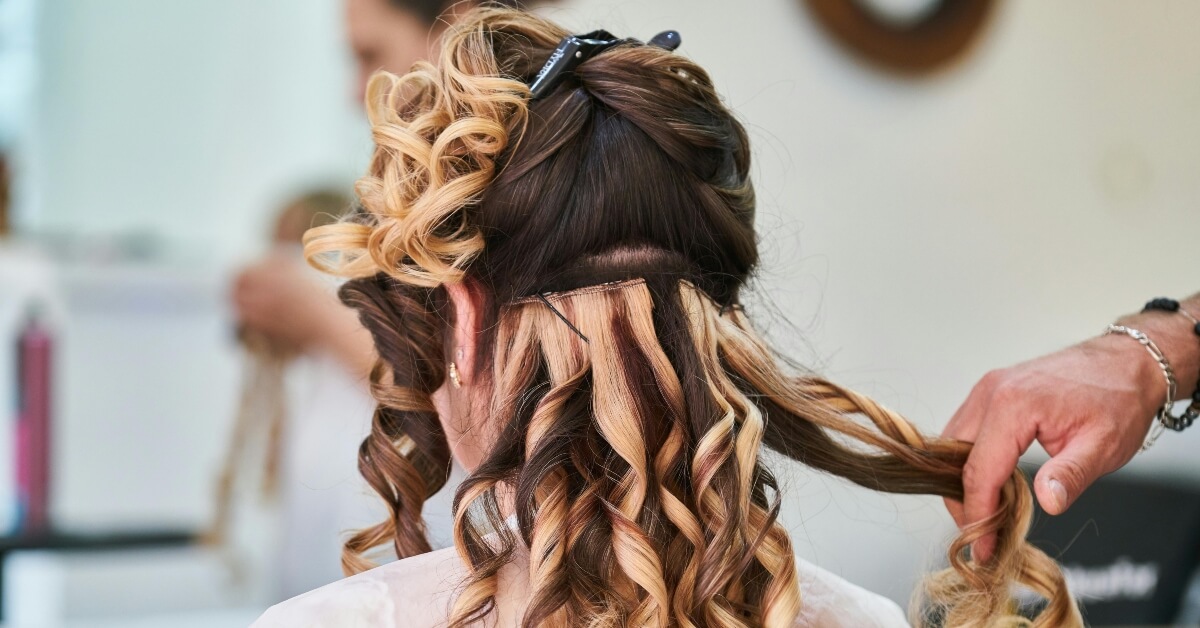
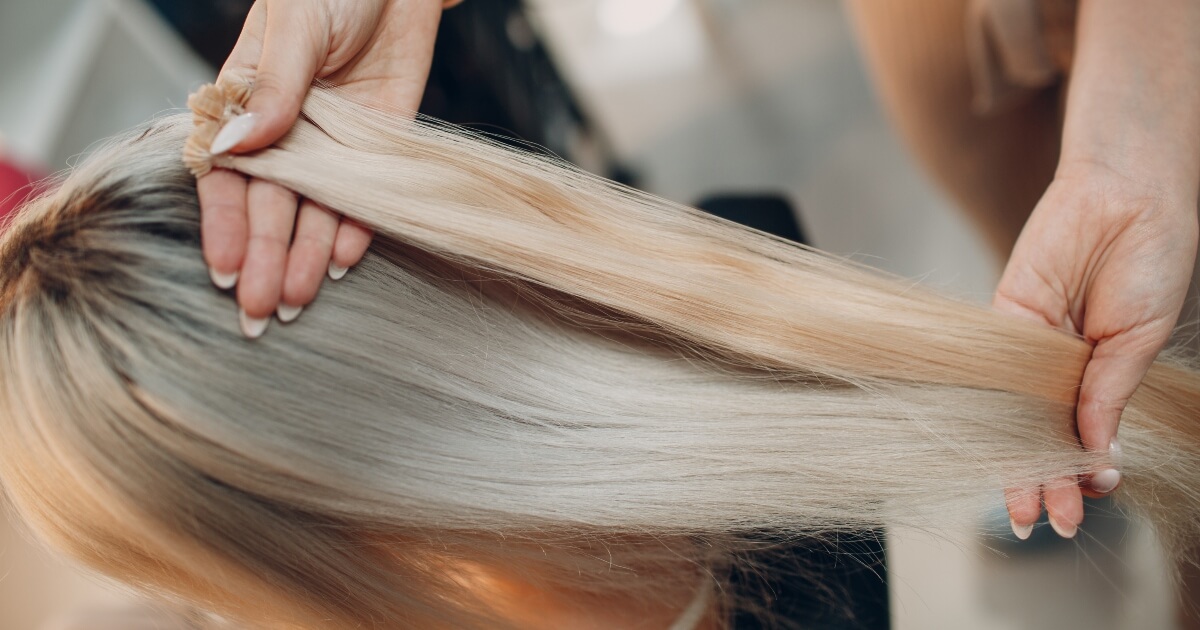
No, hair extensions do not always damage your natural hair. Damage usually comes from poor installation, too much weight, or skipped maintenance appointments. Understanding whether hair extensions damage your hair can help you plan for proper care.
Do Keratin Treatments Last Forever?
No, keratin treatments do not last forever. Results typically fade gradually over several months as you wash your hair. How long keratin treatments last depends largely on your shampoo choice and washing frequency.
What Is the Difference Between a Hair Myth and a Half-Truth?
The difference between a hair myth and a half-truth is that a myth is simply inaccurate, while a half-truth is accurate only for certain hair types or situations. Many popular tips fall into the half-truth category, which is why they keep circulating.
Are Hair Myths the Same as Outdated Salon Advice?
No, hair myths are not always the same as outdated salon advice. Some older recommendations were reasonable for the products and techniques of their time. Newer formulas and methods have since changed what works best.
Is Online Hair Advice the Same as Professional Advice?
No, online hair advice is not the same as professional advice. General tips cannot account for your texture, color history, or porosity, which is how easily your hair absorbs and holds moisture. A stylist can assess all of these in person.
Is Natural Hair Care Always Better?
No, natural hair care is not always better. Some plant-based ingredients are gentle and helpful, while others can irritate the scalp or leave buildup. Results depend on the specific ingredient and your hair’s needs.
How Do You Know Which Hair Advice Fits Your Hair Type?
You know which hair advice fits your hair type by matching it to your texture, density, porosity, and current condition. Advice that works for thick, curly hair may weigh down fine, straight hair, and the reverse is also true.
Key factors to consider include:
- Hair texture and curl pattern
- Strand thickness and density
- Porosity and moisture levels
- Color or chemical history
- Scalp oiliness or dryness
A hair care guide for your hair type can help you narrow down which habits suit you.
How Does Hair Texture Change Which Advice Applies?
Hair texture changes which advice applies because curly and coily hair tends to be drier, while straight hair shows oil more quickly. That means washing frequency, conditioning, and styling methods should differ between textures.
Who Needs Extra Care When Following Hair Advice?
People with color-treated, chemically straightened, fine, or damaged hair need extra care when following hair advice. These hair types respond more strongly to heat, harsh cleansers, and friction, so general tips may need adjusting.
Does Fine Hair Need Different Rules?
Yes, fine hair needs slightly different rules because it is easily weighed down and more prone to breakage. Lightweight conditioners, gentle detangling, and lower heat settings usually work better than rich products and high heat.
When Should You Stop Following Hair Advice and See a Stylist?
You should stop following hair advice and see a stylist when your hair feels damaged, behaves differently than usual, or does not improve with gentle care. A professional evaluation can identify the cause before small problems become harder to fix.
What Signs Suggest a Hair Myth Is Hurting Your Hair?
Signs that a hair myth is hurting your hair often appear gradually. Watch for:
- Ends that snap when stretched
- Hair that feels gummy when wet
- Color that fades unusually fast
- Persistent frizz despite conditioning
- Scalp that feels tight or itchy
When Is At-Home Care Not Enough?
At-home care is not enough when hair is overprocessed, severely dry, or uneven in color after DIY attempts. In these cases, in-salon treatments for dry, damaged hair can provide deeper conditioning and a plan tailored to your hair.
How Should You Describe Your Hair Concerns to a Stylist?
You should describe your hair concerns to a stylist by sharing your current routine, past color or chemical services, and what you want to change. Photos and honest details help, and explaining what you want to your stylist clearly leads to better results.
How to Care for Your Hair Without Falling for Hair Myths
Caring for your hair without falling for hair myths starts with a simple routine built around your hair type rather than popular rules. Consistent, gentle habits typically do more for healthy hair than any single trick.
How Often Should You Wash Your Hair?
You should wash your hair as often as your scalp needs, which is typically every one to three days for straight or oily hair and less often for curly or dry hair. Adjust based on your activity level, climate, and how your scalp feels.
Which Hair Care Products Matter Most?
The hair care products that matter most are the basic categories that support cleansing, moisture, and protection. A balanced routine usually includes:
- Gentle sulfate-free shampoo
- Conditioner suited to your texture
- Weekly hair mask or deep conditioner
- Heat protectant for hot tools
- Lightweight leave-in or serum
Which Daily Habits Protect Your Hair?
The daily habits that protect your hair are the ones that reduce friction, heat, and tension. Using a wide-tooth comb on wet hair, avoiding tight elastics, and sleeping on a smooth pillowcase can all help.
Real-World Tips from Salon Professionals
Real-world tips from salon professionals show that small changes to a routine often make the biggest difference. Stylists regularly see hair improve once clients replace a common myth with a habit that fits their hair.
What Does a Myth-Free Routine Look Like in Practice?
A myth-free routine in practice might look like this. A client with medium blonde, color-treated hair was washing daily with hot water and skipping conditioner to avoid oiliness. After switching to the routine below, her hair typically feels softer and her color lasts longer between appointments:
- Wash two to three times a week with lukewarm water
- Apply conditioner from mid-lengths to ends
- Use a hair mask once a week
- Detangle gently with a wide-tooth comb
- Apply heat protectant before blow-drying
What Do Stylists Recommend for Swimmers?
Stylists recommend that swimmers wet their hair with clean water and apply a light conditioner before getting in the pool. This limits how much chlorinated water the hair absorbs, which is especially helpful for protecting blonde hair from chlorine.
Frequently Asked Questions About Hair Myths
Does Stress Cause Gray Hair?
Yes, stress can contribute to gray hair in some people, but genetics is the main factor. Stress does not turn existing strands gray overnight, since color is set as each hair forms at the follicle.
Does Wearing a Hat Cause Hair Loss?
No, wearing a hat does not cause hair loss. Very tight hats worn often may create friction or tension, but a comfortable hat can actually protect hair from sun and wind.
Does Plucking a Gray Hair Make More Grow Back?
No, plucking a gray hair does not make more grow back. Each follicle produces one hair, so the surrounding hairs are not affected, though repeated plucking can damage the follicle.
Is Dandruff Always Caused by a Dry Scalp?
No, dandruff is not always caused by a dry scalp. It is often linked to an oily scalp and an overgrowth of naturally occurring yeast, so heavy oils may make it worse. Persistent flaking is worth discussing with a dermatologist.
How to Decide Which Hair Myths to Let Go Of
Deciding which hair myths to let go of starts with noticing how your hair responds to your current habits. Keep the routines that leave your hair soft, strong, and manageable, and question any rule that does not fit your texture or condition. When you are unsure, a stylist can assess your hair and help you build a routine based on facts rather than hair myths.