What Is the Best Way to Repair Damaged Hair Without Cutting It?
The best way to repair damaged hair without cutting it is to combine bond-building treatments, regular deep conditioning, and gentler daily habits. This approach strengthens weak strands from the inside, smooths the outer layer, and limits new damage while your hair recovers. Most mild to moderate damage can improve noticeably within a few weeks of consistent care.
Considering repairing your damaged hair without a big cut? Schedule your appointment at Societe Salon. Our expert stylists can assess your hair’s condition and create a treatment plan that restores strength and softness while protecting your length.
Can Damaged Hair Actually Be Repaired?
Yes, damaged hair can be partially repaired, although hair cannot heal itself the way skin does. Treatments work by reconnecting broken internal bonds, filling weak spots, and sealing the surface. The result is hair that looks and behaves healthier, even though the original strand remains.
Is a Haircut Ever Unavoidable?
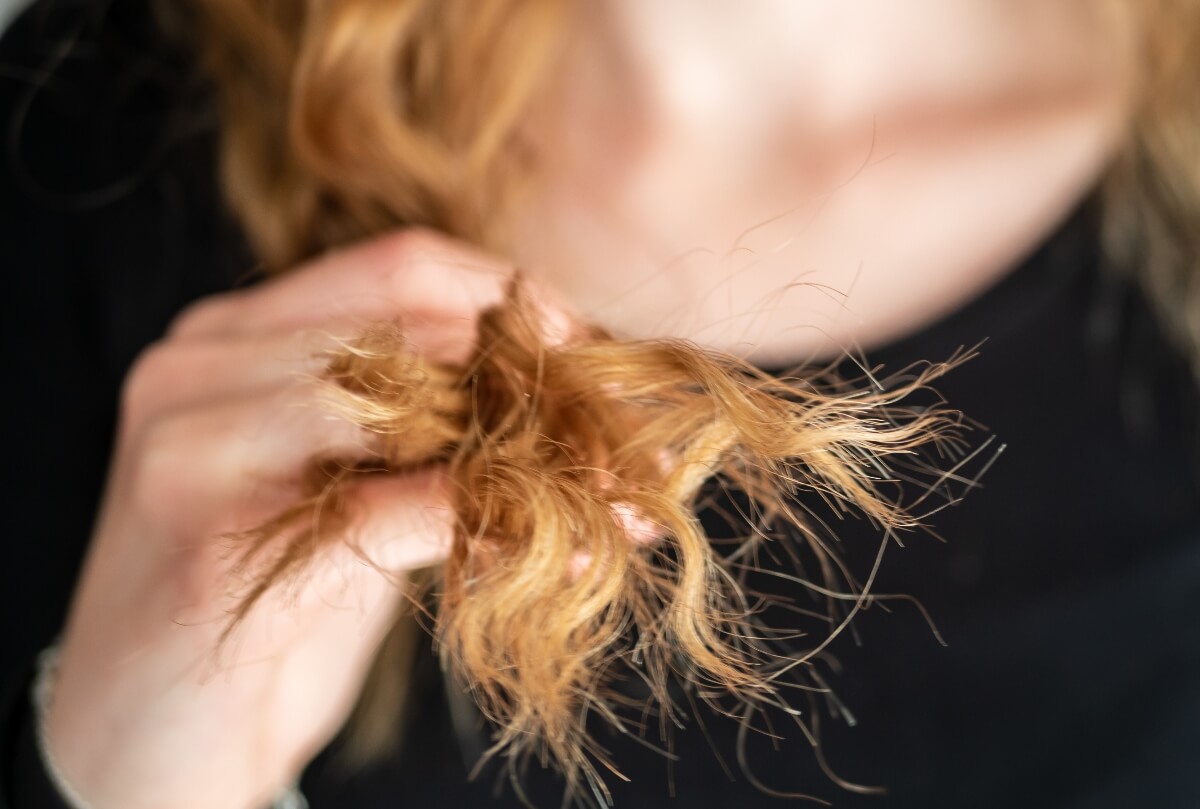
Yes, a haircut is sometimes unavoidable when ends are split far up the shaft or are snapping off on their own. Split ends cannot be permanently fused back together, and they can keep traveling upward. In those cases, a small trim may protect far more length than it removes.
What Causes Hair Damage?
Hair damage is caused by anything that wears down the cuticle, the protective outer layer of each strand, or the internal bonds that give hair its strength. Once the cuticle lifts or chips, moisture escapes and the inner fibers are exposed. Repeated stress over time leads to dryness, frizz, and breakage.
Common causes of hair damage include:
- Bleaching and chemical coloring
- Frequent hot tool styling
- Rough brushing and towel drying
- Sun, chlorine, and hard water
- Tight hairstyles and heavy extensions
How Does Bleach Damage Hair?
Bleach damages hair by opening the cuticle and breaking disulfide bonds, the strong internal links that hold the hair’s structure together. This is how lightening removes pigment, but it also leaves strands weaker and more porous. The more levels hair is lifted, the more aftercare it typically needs.
Does Heat Styling Cause Permanent Damage?
Yes, heat styling can cause permanent damage when tools are used too hot or too often without protection. High heat can turn the small amount of water inside the strand to steam, creating tiny cracks and bubbles. That damage cannot be reversed, but it can be softened and kept from spreading.
How Can You Tell if Hair Is Dry or Damaged?
You can tell if hair is dry or damaged by how it responds to moisture. Dry hair usually softens after conditioning, while damaged hair stays rough, tangles easily, and breaks even when hydrated. If your hair has become suddenly so dry, a recent change in products, water, or weather may be the cause.
How Do Treatments Repair Damaged Hair Without Cutting It?
Treatments repair damaged hair without cutting it by targeting three main problems: broken internal bonds, lost protein, and lost moisture. Each type of treatment works on a different part of the strand, which is why a combined routine tends to work best.
What Do Bond-Building Treatments Do?
Bond-building treatments reconnect broken disulfide bonds inside the hair shaft. They are especially helpful after bleaching, coloring, or chemical straightening. Because they work internally, they can improve strength even before the surface looks smoother.
How Do Protein Treatments Help Damaged Hair?
Protein treatments help damaged hair by filling weak or missing spots along the strand with small protein fragments. This adds temporary structure and reduces stretching and snapping. They work best when balanced with moisture, since too much protein can leave hair stiff.
Why Does Moisture Matter for Hair Repair?
Moisture matters for hair repair because damaged hair loses water faster than healthy hair. Hydrating ingredients and conditioning oils soften the fiber and help the cuticle lie flatter. Flexible hair bends instead of breaking, which helps you keep your length.
What Are the Benefits of Repairing Hair Instead of Cutting It?
Key benefits of repairing hair instead of cutting it include:
- Preserving length and layers
- Restoring softness and flexibility
- Reducing breakage and frizz
- Improving shine and color vibrancy
- Making daily styling easier
A smoother cuticle reflects light more evenly, so repair often pairs well with other ways to make your hair shiny. Treated ends also split less often, which means future trims can be smaller and spaced further apart.
How Do You Repair Damaged Hair Without Cutting It at Home?
You repair damaged hair without cutting it at home by building a gentle, consistent routine that adds strength and moisture while limiting new stress. Results depend more on consistency than on any single product.
A simple weekly repair routine looks like this:
- Wash with a gentle, sulfate-free shampoo
- Apply a bond-building treatment once weekly
- Follow with a deep conditioner
- Smooth leave-in conditioner through damp hair
- Detangle gently from the ends upward
- Apply heat protectant before hot tools
How Often Should You Use a Hair Mask on Damaged Hair?
You should use a hair mask on damaged hair about once or twice a week. Leaving a nourishing hair mask on for 10 to 20 minutes gives the ingredients time to soften and coat the strand. Using one more often can weigh hair down, especially if it is fine.
Which Shampoo Ingredients Should Damaged Hair Avoid?
Damaged hair should avoid harsh sulfates, drying alcohols, and heavy fragrance, which can strip the little moisture left in the strand. Gentle cleansers remove oil and buildup without roughing up the cuticle further. Reviewing common shampoo ingredients to avoid can help you choose safer formulas.
Is Leave-In Conditioner Good for Damaged Hair?
Yes, leave-in conditioner is good for damaged hair because it provides lasting moisture and slip between washes. It also adds a light protective layer against friction and heat. Knowing the pros and cons of leaving conditioner in helps you use the right amount for your texture.
How Do Salons Repair Damaged Hair Without Cutting It?
Salons repair damaged hair without cutting it by using professional treatments that are more concentrated than most home products. A stylist can also identify the type of damage and adjust the plan as your hair responds.
Common salon repair services include:
- Bond-rebuilding treatments
- Deep-conditioning and steam treatments
- Protein reconstruction services
- Glossing and smoothing treatments
- Scalp treatments for healthier growth
What Happens During an In-Salon Repair Treatment?
During an in-salon repair treatment, a stylist cleanses the hair, applies a targeted formula, and often uses gentle heat to help it absorb. The service typically takes 30 to 60 minutes. Learning more about in-salon treatments for dry, damaged hair can help you know what to expect.
How Many Salon Treatments Does Damaged Hair Need?
Damaged hair typically needs a series of three to six salon treatments spaced a few weeks apart. Heavily processed hair may need more, while mildly dry hair can improve after one or two. Your stylist will adjust the schedule based on how your hair responds.
What Should You Tell Your Stylist About Your Hair History?
You should tell your stylist about every color, lightening, chemical service, and heat habit from the past year or two. This history helps them choose treatments that are safe and effective. It also helps to explain what you want from your stylist, including how much length you hope to keep.
What Is the Difference Between Repairing and Masking Hair Damage?
The difference between repairing and masking hair damage is that repair strengthens the hair’s internal structure, while masking only improves how it looks and feels on the surface. Both have value, but knowing which is which helps you set realistic expectations.
Are Bond Builders the Same as Conditioners?
No, bond builders are not the same as conditioners. Bond builders work inside the strand to reconnect broken links, while conditioners mainly coat the surface to add softness and slip. Most damaged hair benefits from using both.
Are Keratin Treatments the Same as Repair Treatments?
No, keratin treatments are not the same as repair treatments, although they can make damaged hair look much smoother. They mainly reduce frizz and add polish, and knowing how long keratin treatments last helps you plan around them. They can help manage damage, but they do not rebuild internal bonds.
Do Silicones Repair Hair?
No, silicones do not repair hair, but they can protect it. Silicones form a smooth, lightweight coating that reduces friction, frizz, and heat exposure. They are best viewed as a shield rather than a fix.
How Do You Choose the Right Repair Treatment for Your Hair Type?
You choose the right repair treatment for your hair type by matching it to your hair’s texture, thickness, and processing history. A formula that works well on coarse curls may feel heavy on fine, straight hair. Following a care guide for your hair type is a helpful starting point.
What Is Hair Porosity and Why Does It Matter?
Hair porosity is how easily your hair absorbs and holds moisture. High-porosity hair, which is common after bleaching, absorbs water quickly but loses it fast, so it needs richer conditioners. Low-porosity hair resists absorption and does better with lightweight formulas and gentle warmth.
What Repair Treatment Works Best for Fine Hair?
Lightweight bond builders and light protein treatments usually work best for fine hair. They add strength without heavy oils that flatten volume. Applying conditioners mainly to the mid-lengths and ends helps keep the roots light.
What Repair Treatment Works Best for Curly or Coarse Hair?
Rich, moisture-focused masks and leave-ins usually work best for curly or coarse hair. These textures tend to be drier because natural oils travel down the strand more slowly. Layering a leave-in under a light styling cream can help lock moisture in.
Does Blonde Hair Need More Repair?
Yes, blonde hair often needs more repair, especially when it has been lightened from a darker shade. Lightening removes pigment and weakens bonds at the same time, so regular bond treatments are important. Swimming adds another risk, which makes protecting blonde hair from chlorine part of good aftercare.
When Should You See a Stylist Before Trying to Repair Damaged Hair?
You should see a stylist before trying to repair damaged hair when it is breaking off, feels gummy when wet, or has been through several chemical services recently. These signs suggest the damage is severe and needs a professional assessment.
Reasons to get a professional opinion first include:
- Hair that stretches like gum
- Breakage close to the scalp
- Recent bleach and relaxer services
- Sudden shedding or thinning
- Burning or irritated scalp
What Is the Stretch Test for Hair?
The stretch test for hair is a simple way to check elasticity, or how well a strand stretches and returns to its original length. Gently pull a single wet strand: healthy hair stretches slightly and springs back, while damaged hair stretches too far or snaps. Hair that stretches without returning usually calls for a stylist’s evaluation.
Can You Use Too Much Protein on Damaged Hair?
Yes, you can use too much protein on damaged hair, a problem often called protein overload. Hair may feel stiff, straw-like, and prone to snapping. Switching to moisture-focused treatments for a few weeks usually restores balance.
Should You Color Hair While Repairing It?
No, you should generally avoid lightening or heavy color services while repairing hair, although gentle glosses may still be an option. Each chemical service adds stress that can undo progress. If past color has gone wrong, hair color correction should be planned with repair treatments built in.
When Is It Time to Trim Instead?
It is time to trim instead when ends are visibly split, see-through, or breaking at uneven lengths. Treatments can improve these areas but cannot rebuild what has already broken off. A light dusting of a quarter inch or less often keeps damage from traveling upward.
How Do You Maintain Repaired Hair and Prevent New Damage?
You maintain repaired hair and prevent new damage by keeping up a lighter version of your repair routine and protecting hair from everyday stress. Prevention is what allows your progress to last.
How Often Should You Use Repair Treatments for Maintenance?
You should use repair treatments for maintenance about every one to two weeks once your hair has improved. Many people alternate a bond treatment one week with a moisture mask the next. Salon treatments can then be spaced every six to eight weeks.
What Products Help Protect Repaired Hair?
Products that help protect repaired hair include gentle cleansers, conditioning treatments, and protective styling products. Choosing by category makes it easier to build a balanced routine.
Helpful product categories include:
- Sulfate-free shampoos
- Weekly bond-building treatments
- Moisturizing leave-in conditioners
- Heat protectant sprays
- UV-protective hair mists
Which Daily Habits Prevent Hair Damage?
Daily habits that prevent hair damage focus on reducing friction, heat, and tension. Sleeping on a silk or satin pillowcase, blotting with a microfiber towel, and wearing loose styles all reduce breakage.
Detangling with a wide-tooth comb also helps, and understanding why hair gets tangled so easily makes knots easier to prevent. Some common hair myths, such as brushing a set number of strokes each day, can actually make damage worse.
Real-World Tips from Salon Professionals
Real-world tips from salon professionals show that small, consistent steps usually make the biggest difference. These examples reflect situations stylists see often.
How Can Overprocessed Blonde Hair Be Repaired Without a Big Cut?
Overprocessed blonde hair can often be repaired without a big cut through a staged plan. A client with shoulder-length hair who went from dark brown to light blonde might receive a bond-rebuilding treatment every three weeks, use a mask at home weekly, and pause lightening for two to three months. Light dustings every eight to ten weeks then remove the weakest ends gradually while she keeps her length.
How Can You Recover from Heat Damage?
You can recover from heat damage by cutting back on hot tools and adding protection at every step. A typical recovery routine looks like this:
- Air-dry hair on most days
- Limit hot tools to twice weekly
- Lower tool temperature to moderate heat
- Apply heat protectant every time
- Deep condition after each wash
Frequently Asked Questions About Repairing Damaged Hair Without Cutting It
Can Damaged Hair Grow Out Healthy?
Yes, damaged hair can grow out healthy because new growth from the scalp is not affected by damage to the existing lengths. Protecting that new hair as it grows is the key to gradually replacing damaged sections.
How Long Does It Take to Repair Damaged Hair?
It typically takes four to eight weeks of consistent care to see clear improvement in damaged hair. Severe damage may take several months, and fully replacing damaged lengths depends on how quickly your hair grows.
Can You Repair Split Ends Without Cutting Them?
No, you cannot permanently repair split ends without cutting them, but you can seal and smooth them temporarily. Understanding what causes split ends in hair can help you keep new ones from forming.
Do Hair Extensions Make Damage Worse?
Yes, hair extensions can make damage worse when they are too heavy, poorly installed, or not maintained. Learning whether hair extensions can damage your hair helps you decide if they suit hair that is still recovering.
How to Decide if Repairing Damaged Hair Without Cutting It Is Right for You
To decide if repairing damaged hair without cutting it is right for you, look at whether your hair is dry, frizzy, or weak but still mostly intact. If so, a steady routine of bond repair, moisture, and gentle habits can restore strength and shine while you keep your length. If you are unsure how much damage your hair has, a stylist’s evaluation is the most reliable next step.